


An antler pendant can work far beyond a lodge-style room. The key is to judge its outline, drop and finish against...
No featured images
1 Review(s) 
An antler pendant can work far beyond a lodge-style room. The key is to judge its outline, drop and finish against...
An antler pendant can bring character to a modest room without overwhelming it. The right choice depends on its...
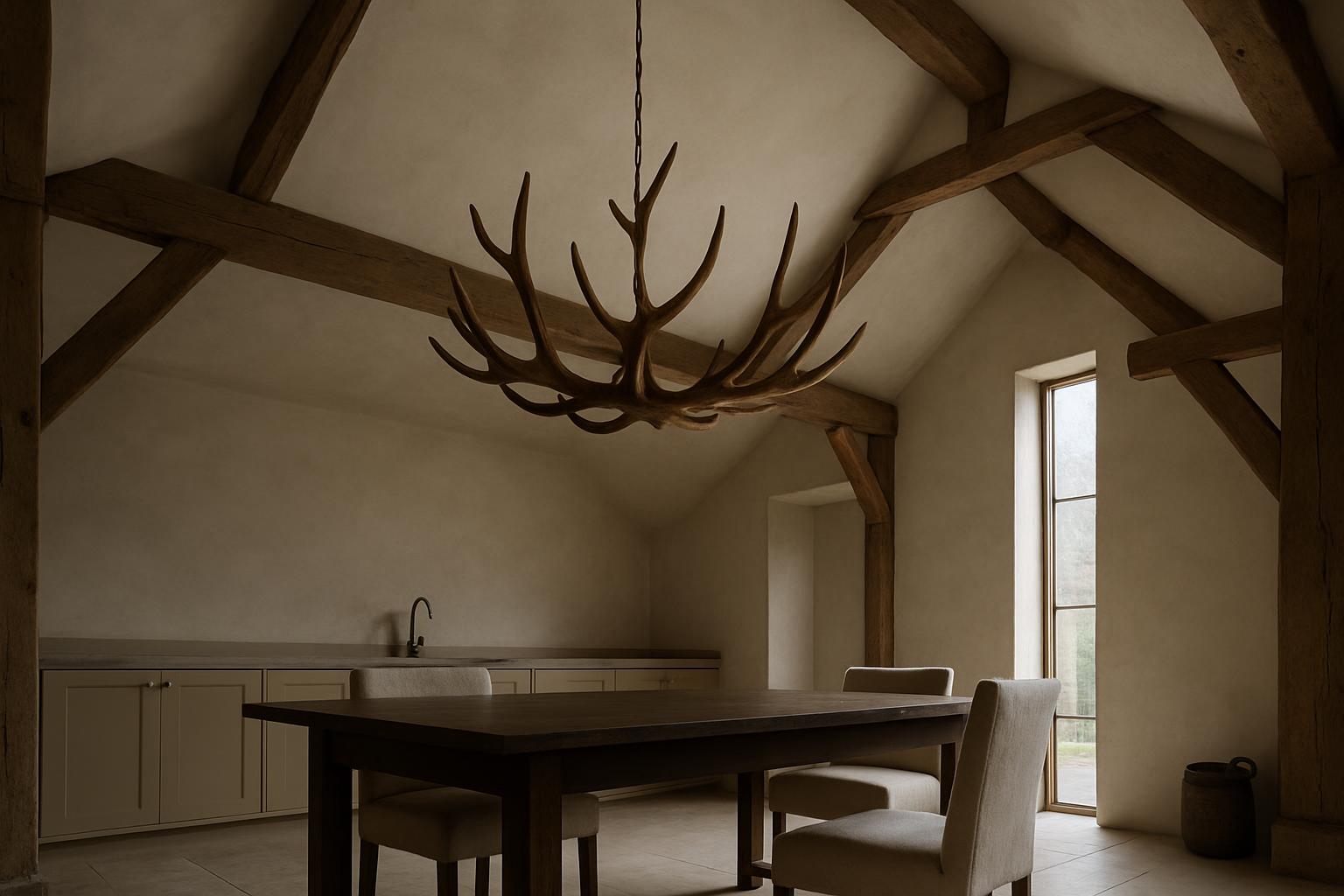
An antler pendant can look sculptural rather than rustic when its scale, outline and position respond carefully to...
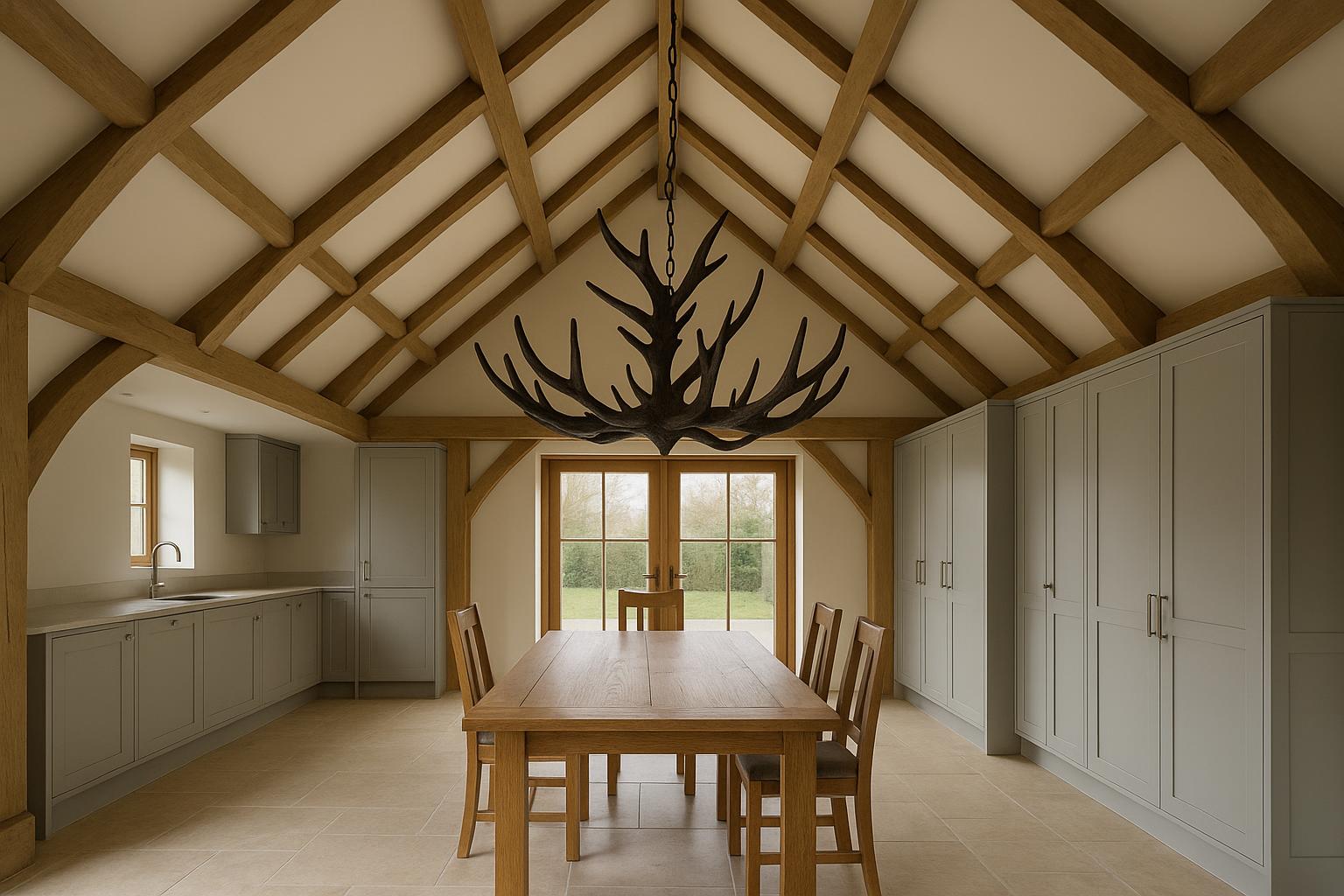
A practical approach to choosing the width, visual weight and drop of an antler pendant while respecting furniture,...
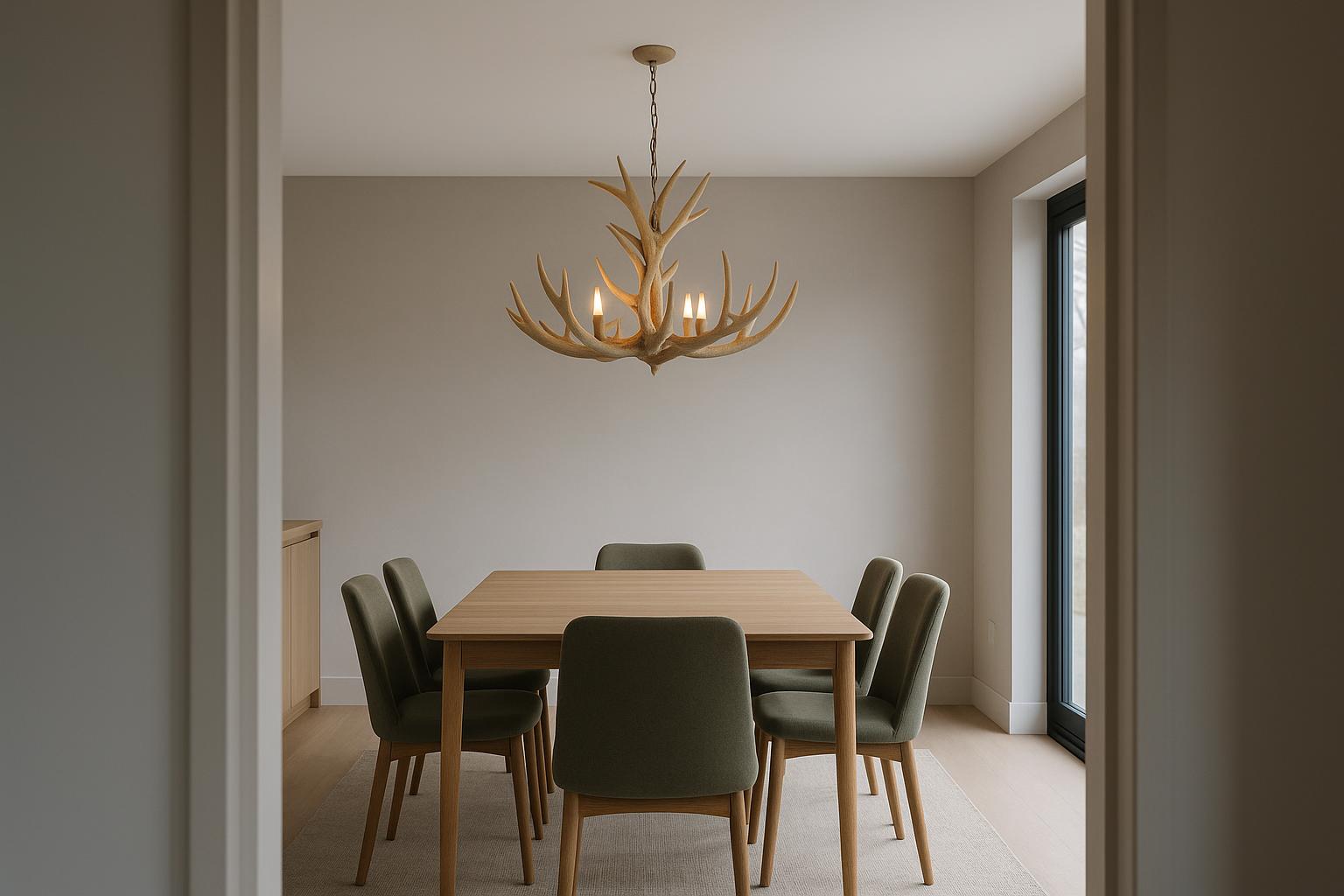
Antler pendant lights can bring sculptural character to a room without dictating a rustic theme. The key is to...
No featured images
An antler pendant is not a background fitting. Its branching shape remains noticeable in daylight, and it can alter how large, busy or intimate a room feels before a lamp is switched on. That makes it an appealing choice for a dining room, stairwell or open-plan living space, but one that needs to be judged as part of the architecture rather than added as a rustic accessory.
The most useful antler pendant lights ideas are therefore about editing. A well-proportioned fitting can sit comfortably with a Victorian ceiling rose, plain new-build walls or a cottage beam. The room need not contain animal prints, woodland ornaments or a collection of matching rustic lights. In most cases, the pendant supplies enough character on its own.
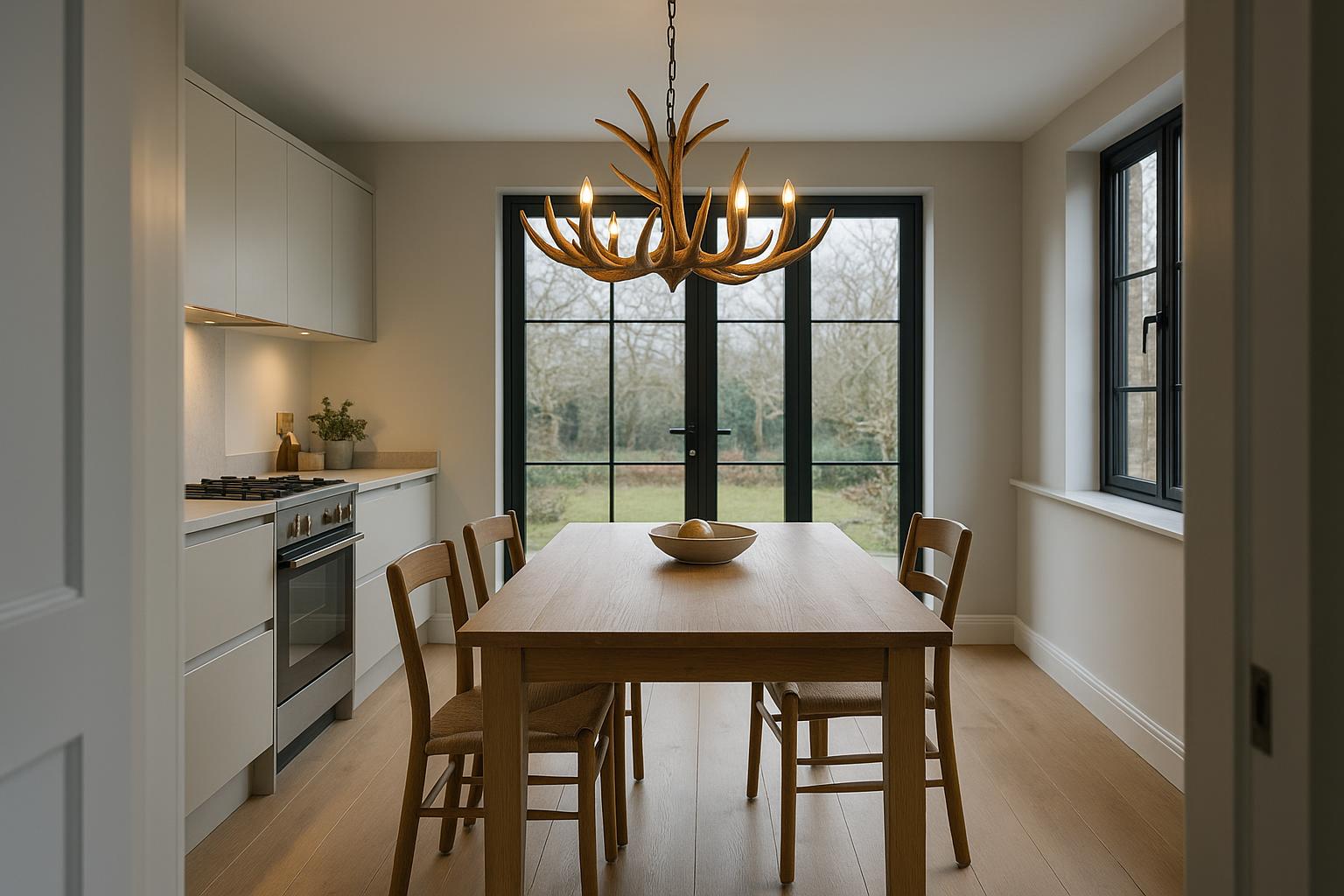
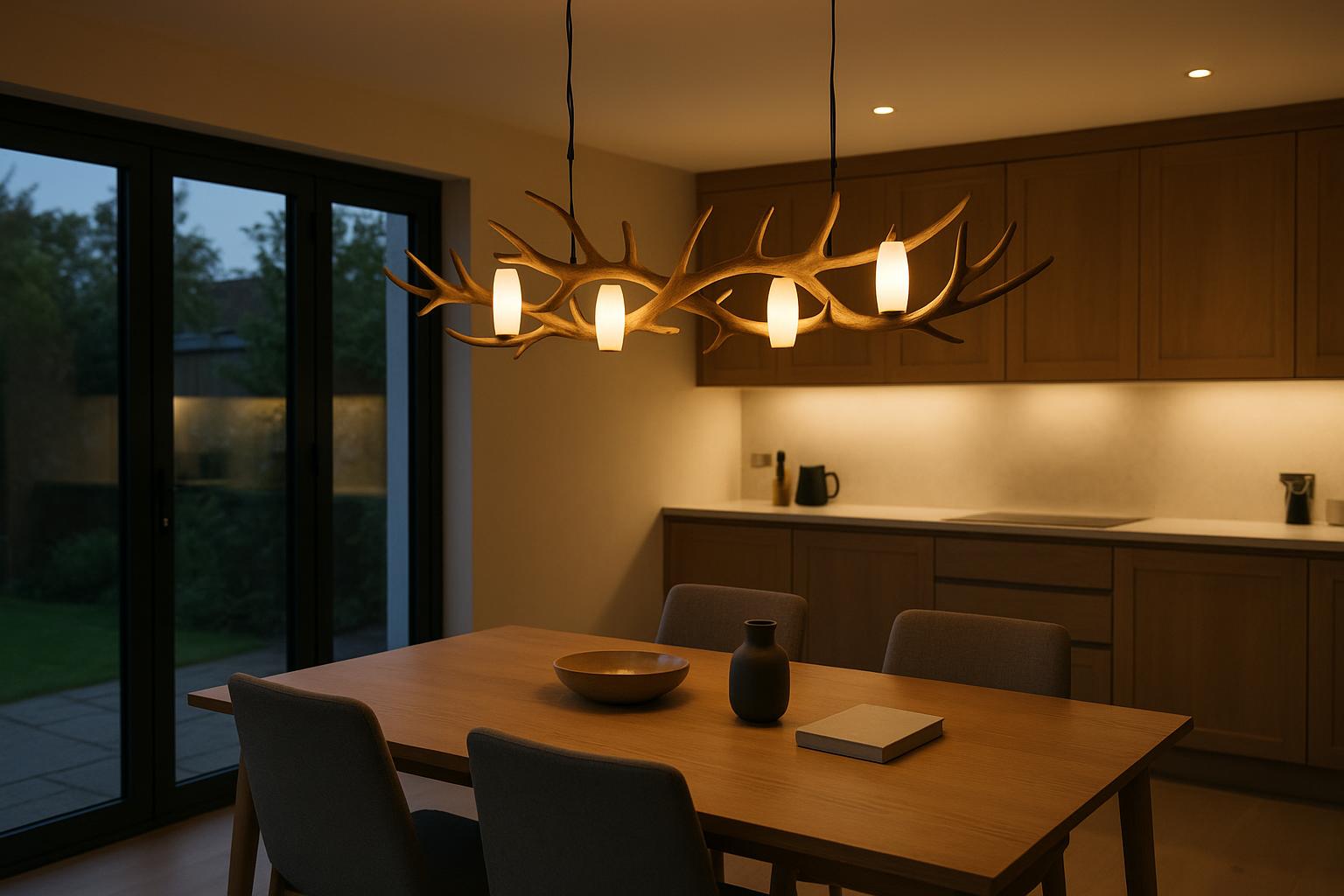
Start with the ceiling and the main furniture, not a decorating theme. Note the ceiling height, the position of beams and rooflights, and whether the existing electrical point is centred over the area you actually want to illuminate. In a kitchen-diner, the table may sit well away from the geometrical centre of the room. Aligning the pendant with the table will usually look more deliberate than leaving it above an empty strip of floor.

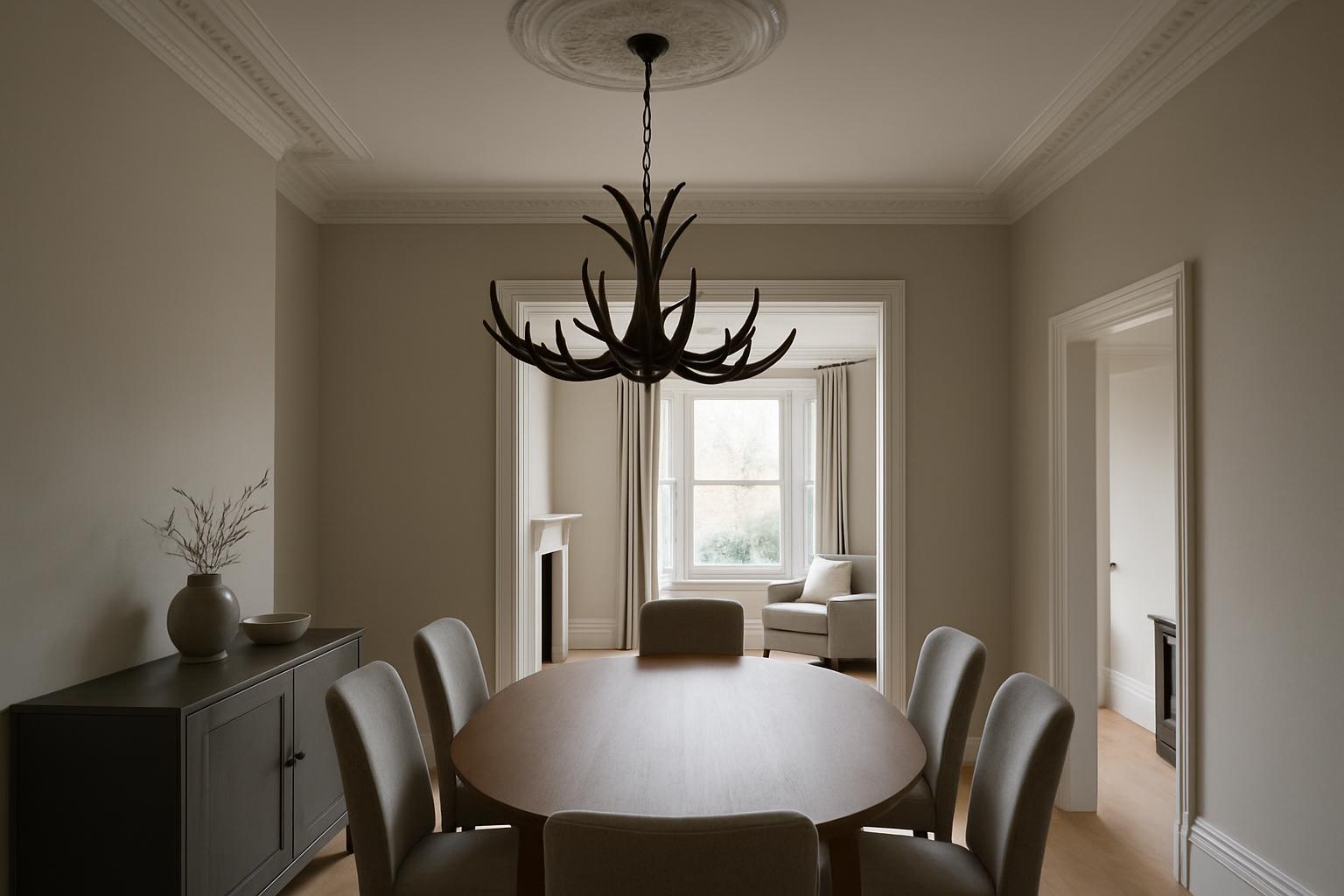
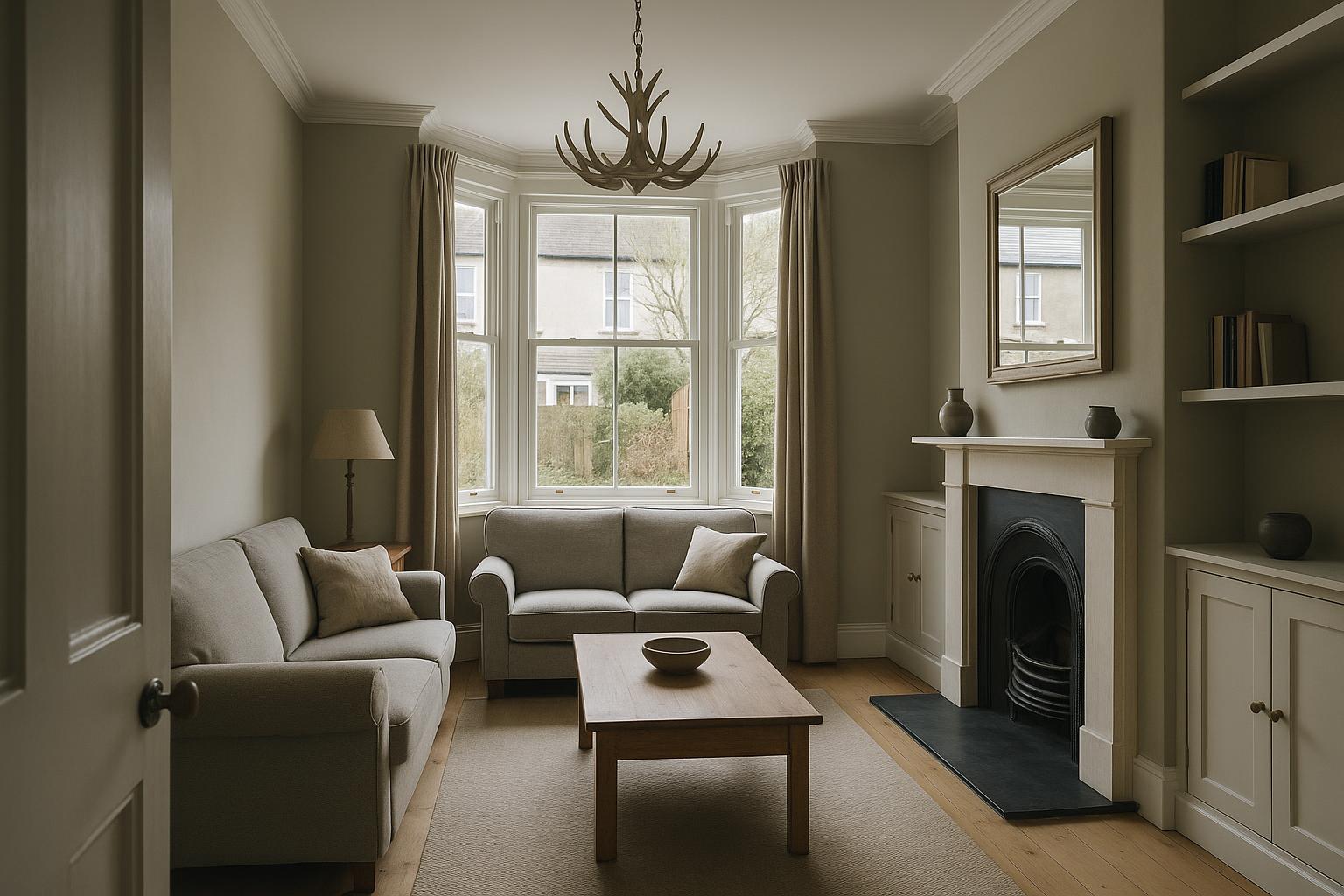
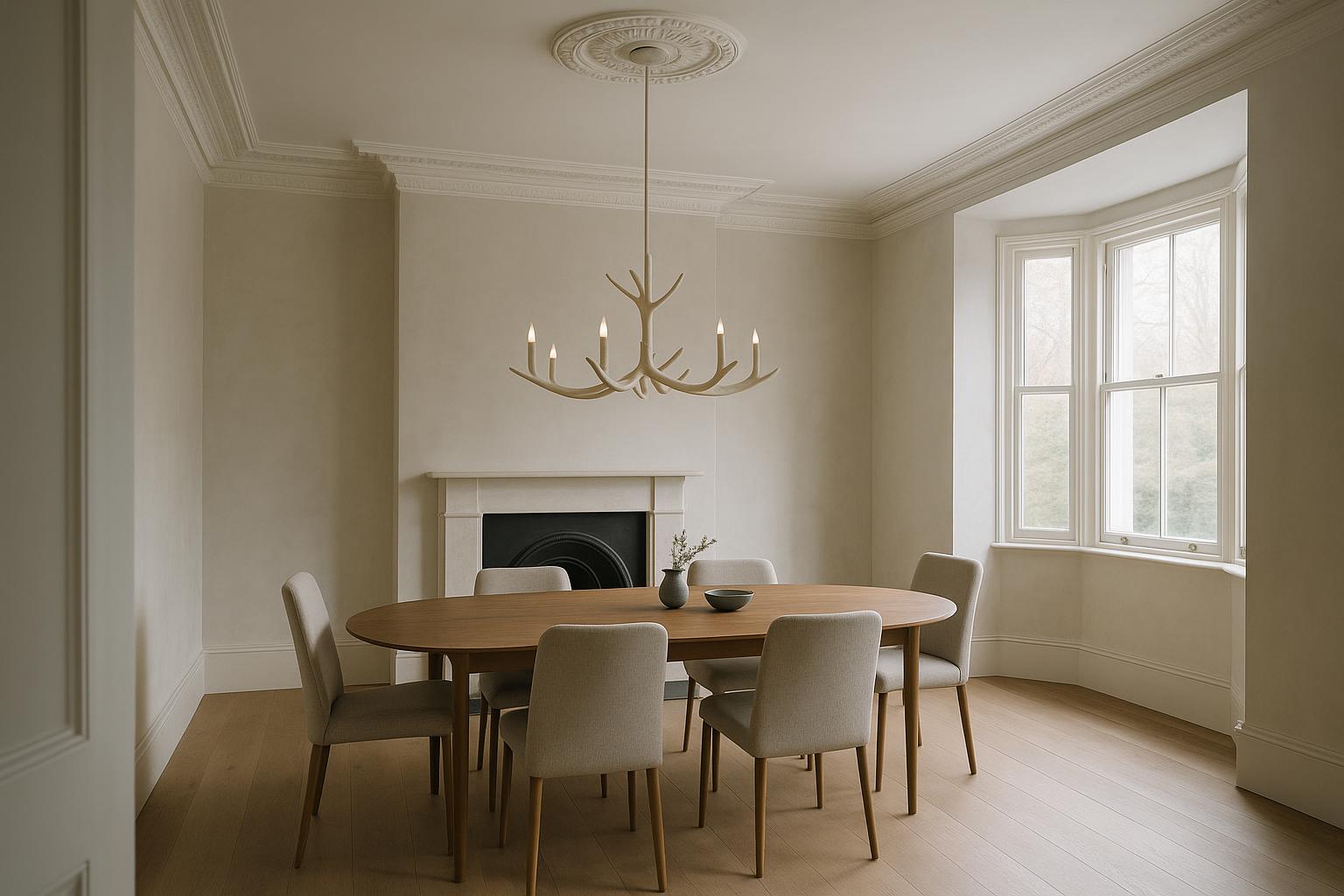
Existing period details can either frame the fitting or compete with it. An ornate ceiling rose in a Victorian terrace may create a pleasing contrast with an irregular antler form, provided the cornicing, wallpaper and furnishings are not all demanding equal attention. Where there is already a prominent chimney breast, patterned carpet or dark timber panelling, choose a quieter pendant with more open space between its branches.
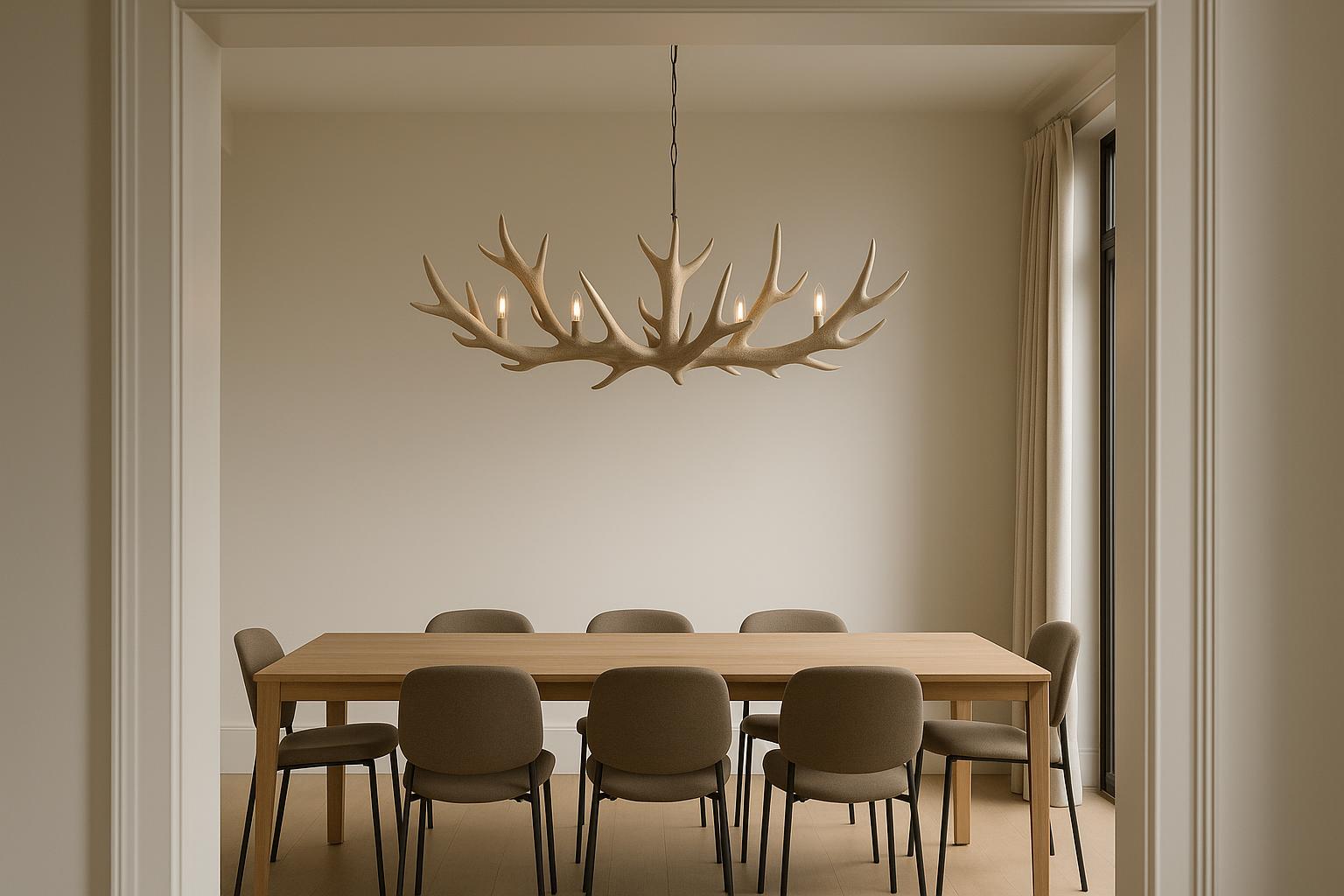
A modern extension presents the opposite opportunity. Against a broad, plain ceiling, a wider fitting can act almost like suspended sculpture. It still needs a visual connection to something below, such as a dining table or seating group, so that it does not appear to float without purpose.
Product photographs often show a pendant from its most flattering angle. At home, it will be seen from doorways, seats, the landing and perhaps through glazed doors from the garden. Check the listed width, depth and overall drop, then consider how the shape changes when viewed from the end rather than straight on.
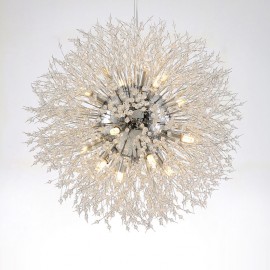
Branch density is as important as diameter. An airy arrangement allows glimpses through to a window or adjacent room and generally feels lighter in an open-plan space. A compact mass of overlapping branches has more impact, but it can interrupt a view or make a modest room feel crowded. This distinction matters above long tables, where a pendant may appear balanced from the side but bulky when approached from the kitchen.
Look closely at the positions of lamp holders as well. Exposed bulbs set around the outer branches are likely to be more prominent in the normal field of view than lamps held deeper within the fitting. Upward-facing lamps draw attention towards the ceiling, while downward-facing lamps may give more light to the surface below. The exact effect depends on the individual design, so use every available product image rather than relying on the main styled shot.
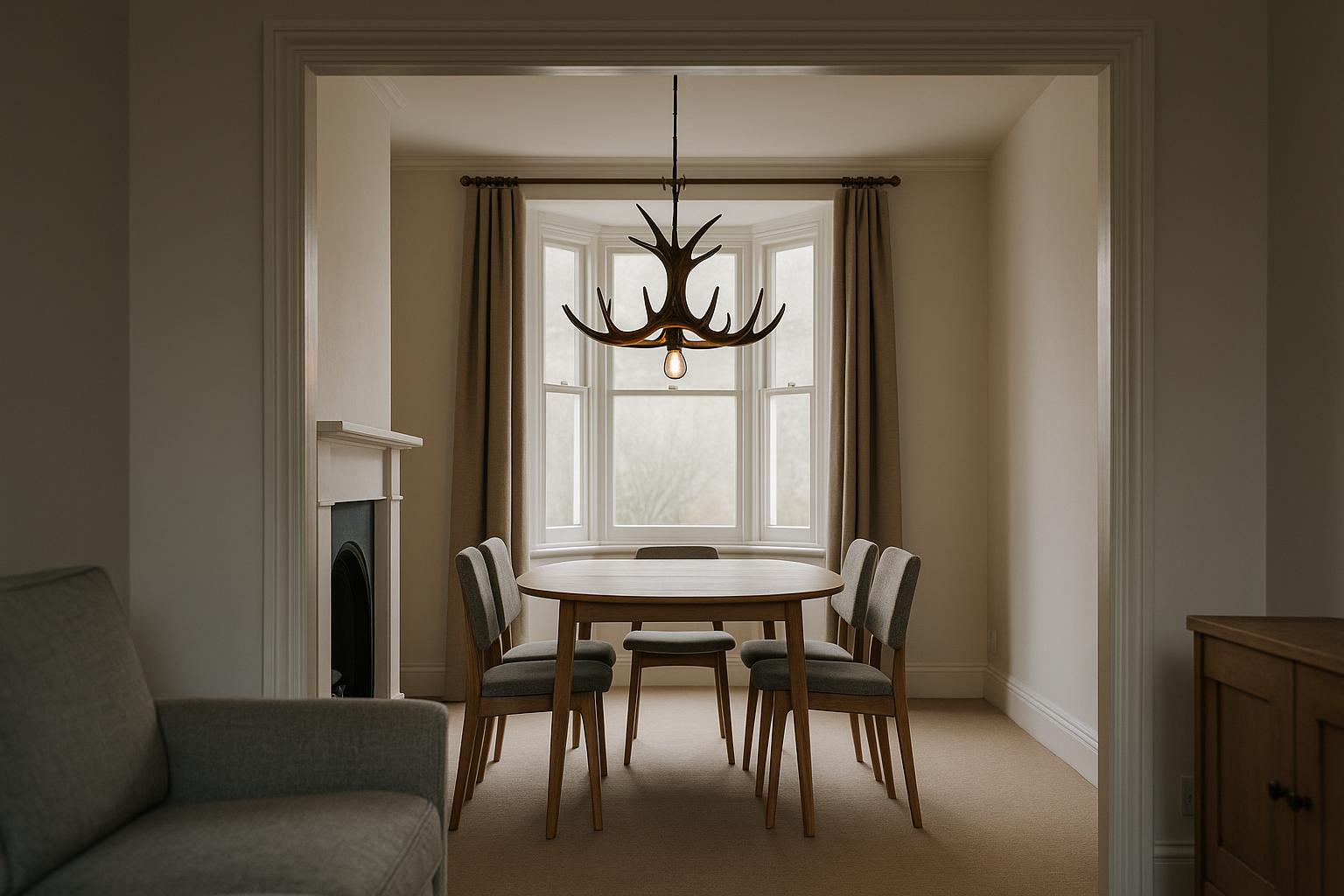
A dining table provides a fixed base that permits a lower hanging position. As a starting point, the bottom of a pendant is often placed roughly 75 to 90 cm above the tabletop, but this is not a rule to follow blindly. A broad antler tip, a bright exposed lamp or a particularly tall family may call for more clearance. Sit at the table and check whether the proposed height blocks faces across it or places a bulb directly in anyone's eyeline.
To complement this topic, you can also read How to Style an Antler Pendant Without Overdoing It.
A temporary mock-up is more reliable than imagination. Mark the width with low-tack tape on the ceiling, or suspend a light cardboard outline at the planned level. View it from the hallway and from the seats used most often. This simple test can reveal whether a branch will appear to touch a window frame, ceiling beam or tall cupboard even when the measurements technically fit.
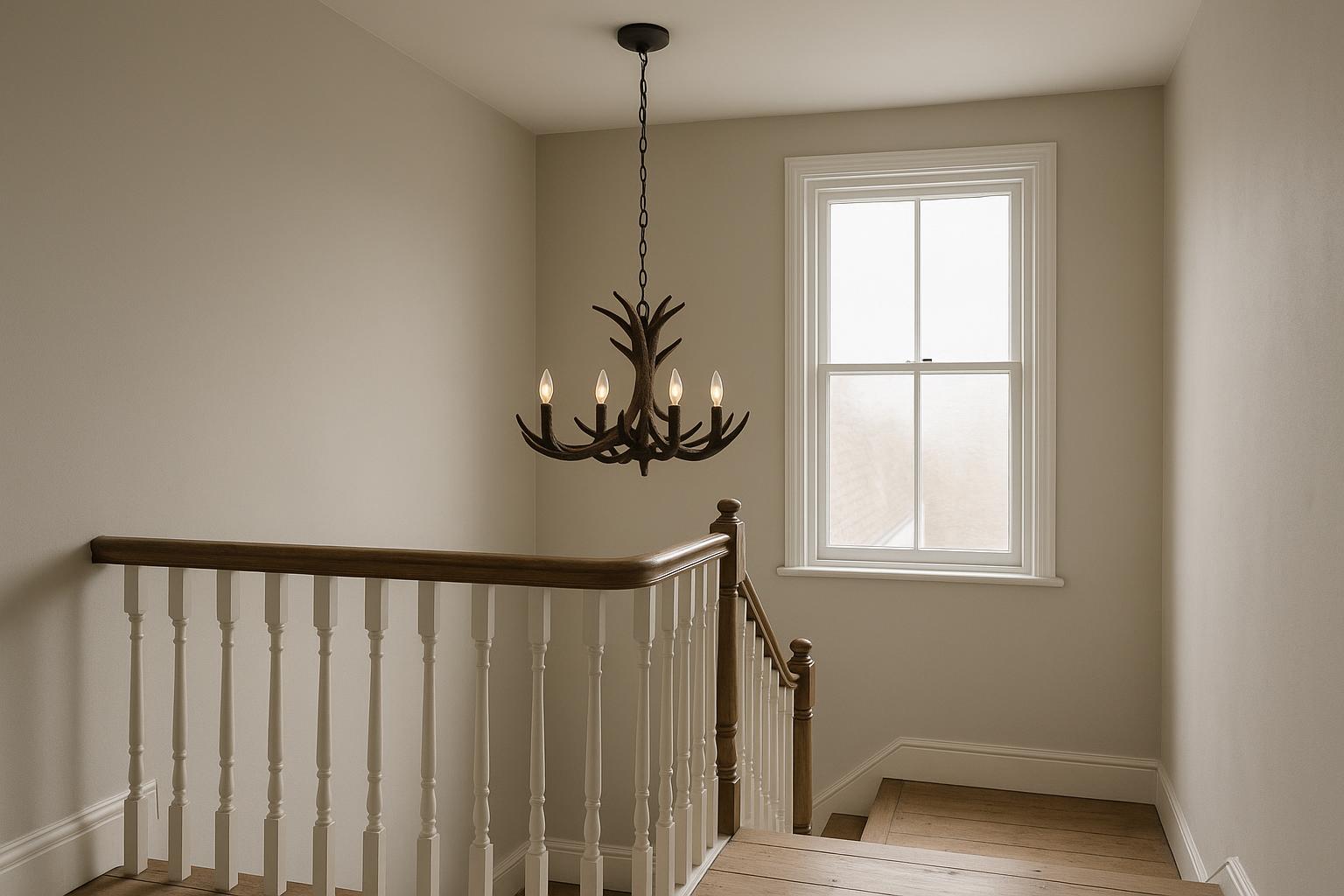
Over an open route, the priorities change. The fitting must clear people comfortably and should not project into the path of wardrobe doors, loft hatches or kitchen cabinets. In a stairwell, assess it from the upper landing as well as from below; lamps that seem sheltered at ground-floor level can cause glare when seen from above.
A multi-lamp fitting can look bright without lighting every useful surface. Branches, shades and lamp direction all influence where illumination travels. Before ordering, decide whether the pendant is mainly there to create atmosphere, light a table or contribute to the general light level.

In a dining room, a warm pool of light over the table may be enough if wall lights or lamps take care of the rest of the room. A kitchen-diner also needs independent task lighting for worktops and the hob. In a sitting room, table and floor lamps prevent the ceiling light from carrying the whole scheme and make the space more comfortable on dark winter afternoons.
Check the specified cap type, maximum lamp rating and dimming information for the individual fitting. If a dimmer is planned, the control, lamps and fitting must be compatible. Clear or exposed bulbs deserve restraint: several high-output lamps at eye level can feel harsh even when their combined output sounds suitable on paper. Frosted lamps may produce a softer appearance where the product design permits them.
A compact room does not necessarily require an anonymous ceiling light. It does require discipline. In a cottage dining area, bungalow or London flat, a shallow antler pendant with a clear outline can provide character without dominating the ceiling. Pale finishes tend to recede against white or light-painted plaster, whereas black and deep brown branches create a sharper boundary and may appear larger.
In the same direction, Before You Hang It: Antler Pendants and Living-Room Sightlines offers useful ideas for choosing home lighting more confidently.
Measure the full assembled drop, including the ceiling canopy, chain or flex and the body of the fitting. Do not assume that a long suspension can be shortened to any length. The permitted adjustment will depend on the construction and the manufacturer's instructions. If the ceiling is too low for the pendant to sit safely and comfortably, an antler-inspired flush fitting may be the better answer.
Antler-style fittings vary in construction and surface treatment, and appearance alone does not reliably identify the material. Read the product description and inspect close-up photographs for texture, joins and colour variation. This is particularly important when the finish needs to work with an existing timber beam, black stove or painted ceiling rose.
A perfect match is rarely necessary. Repeating one tone in two or three small places is usually enough: a dark chain might relate to cabinet handles, picture frames or slim window frames. Avoid extending the antler motif to wall lights and ornaments. Repetition of colour creates cohesion; repetition of the shape can quickly become theatrical.
Lamp colour also changes the finish after dark. Warm light generally complements cream walls, timber and earthy colours, while a cooler lamp can make brown or stone-like surfaces appear flatter. Where lamps are visible, keep their shape consistent unless the fitting has clearly been designed for a mixed arrangement.
The dining table remains the easiest setting because it anchors the pendant and keeps people away from projecting branches. A round arrangement can echo a circular table, while an elongated design usually suits a rectangular one. Exact shape matching is less important than ensuring the fitting does not extend awkwardly beyond the furniture beneath it.
For more consistent lighting throughout the home, the article Room to Branch Out: Sizing an Antler Pendant for a Hallway may also be helpful.
A double-height hallway or stairwell can accommodate more drop and allows the structure to be appreciated from several levels. It also makes cleaning and lamp replacement harder, so access should be considered before the fitting is installed. In a bedroom, choose a restrained design and let bedside lights handle reading. Position the pendant where open wardrobe doors and normal circulation will not bring anyone close to its edges.
Where a room already contains several focal points, decide which one should lead. An elaborate fireplace, bay window and detailed ceiling can coexist with an antler pendant, but not all need strong contrast. A paler fitting, simpler curtains or an unpatterned rug can give the eye somewhere to rest.
Before making a final choice, record the ceiling height, fitting width, complete drop and dimensions of the furniture below. Check the fixing position for nearby beams, rooflights and doors, and consider how the fitting will be reached for cleaning. Confirm the required lamps, whether they are included and whether the product supports the control method you intend to use.

Electrical installation and the suitability of the ceiling support should be handled in line with the supplied instructions, using a suitably qualified electrician where required. Decorative plasterwork may also need particular care.
Once scale, sightlines and practical requirements have been resolved, there is little need to build a theme around the light. Compare the dimensions, suspension details and lamp requirements across Lighting Go's antler pendant lights, then choose the design that sits most naturally within the room. One distinctive fitting, given enough space and supported by quieter lighting elsewhere, will usually make the strongest impression.
Will It Fit the View? Choosing Antler Pendants for a Country Home
Will It Work Over Dinner? A Practical Antler Pendant Guide
Room to Branch Out: Sizing an Antler Pendant for a Hallway
Before You Hang It: Antler Pendants and Living-Room Sightlines
How to Style an Antler Pendant Without Overdoing It
Hot Tags: Wood Lights, Glass Pendant Lights, Discount Pendant Lights, Pendant Lights UK, Pendant Drop Lights, Discount Chandeliers UK, Flush Mount Fans, Huge Chandeliers, Ceiling Lights Sale, Glass Wall Sconces, Antler Chandeliers, Modern Bathroom Design, Dimmable Ceiling Lights, Bedroom Lights, Bathroom Lights, Kitchen Lighting, Modern Chandeliers, Lighting Ideas
Copyright © 2030 LightingGo. All rights reserved.