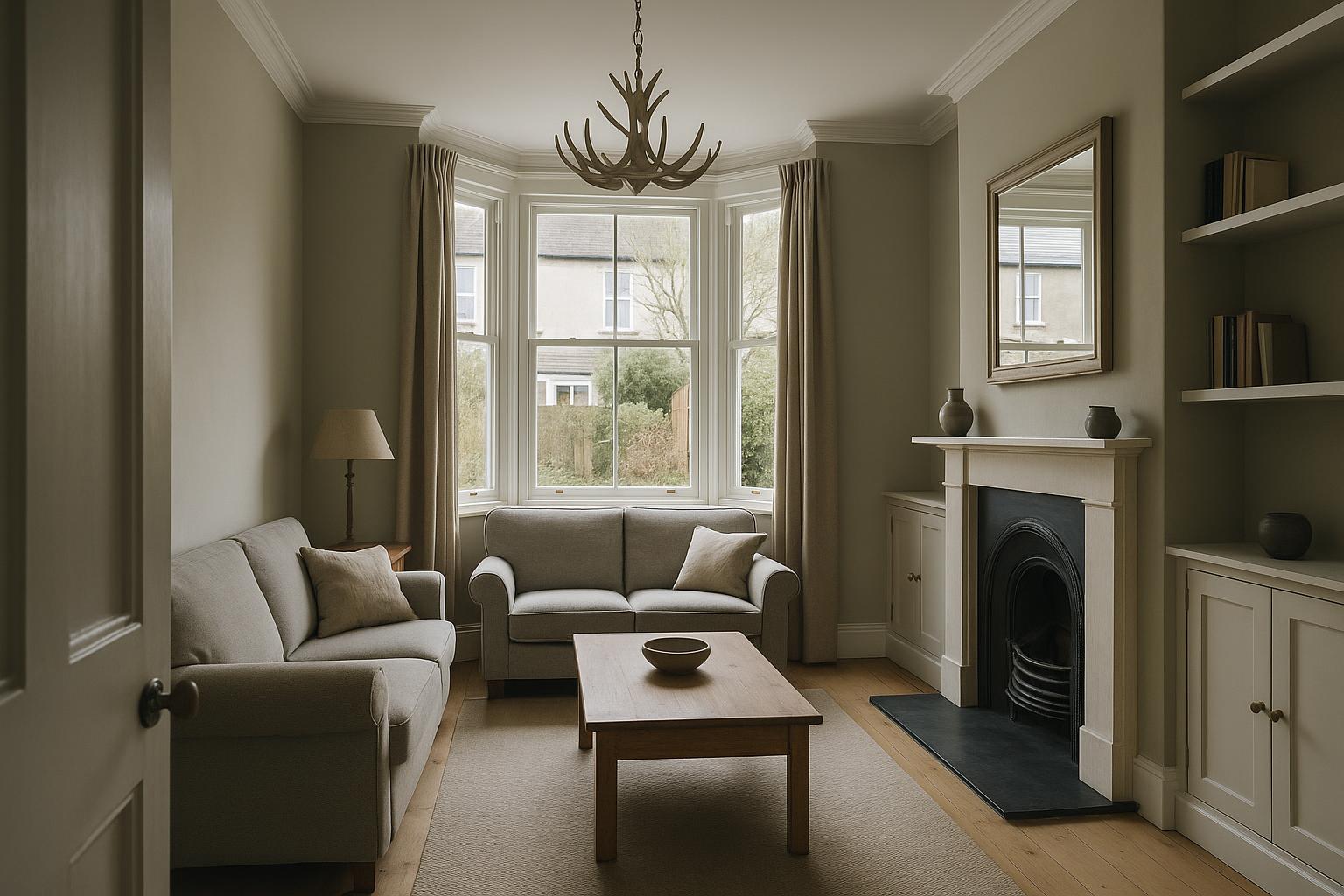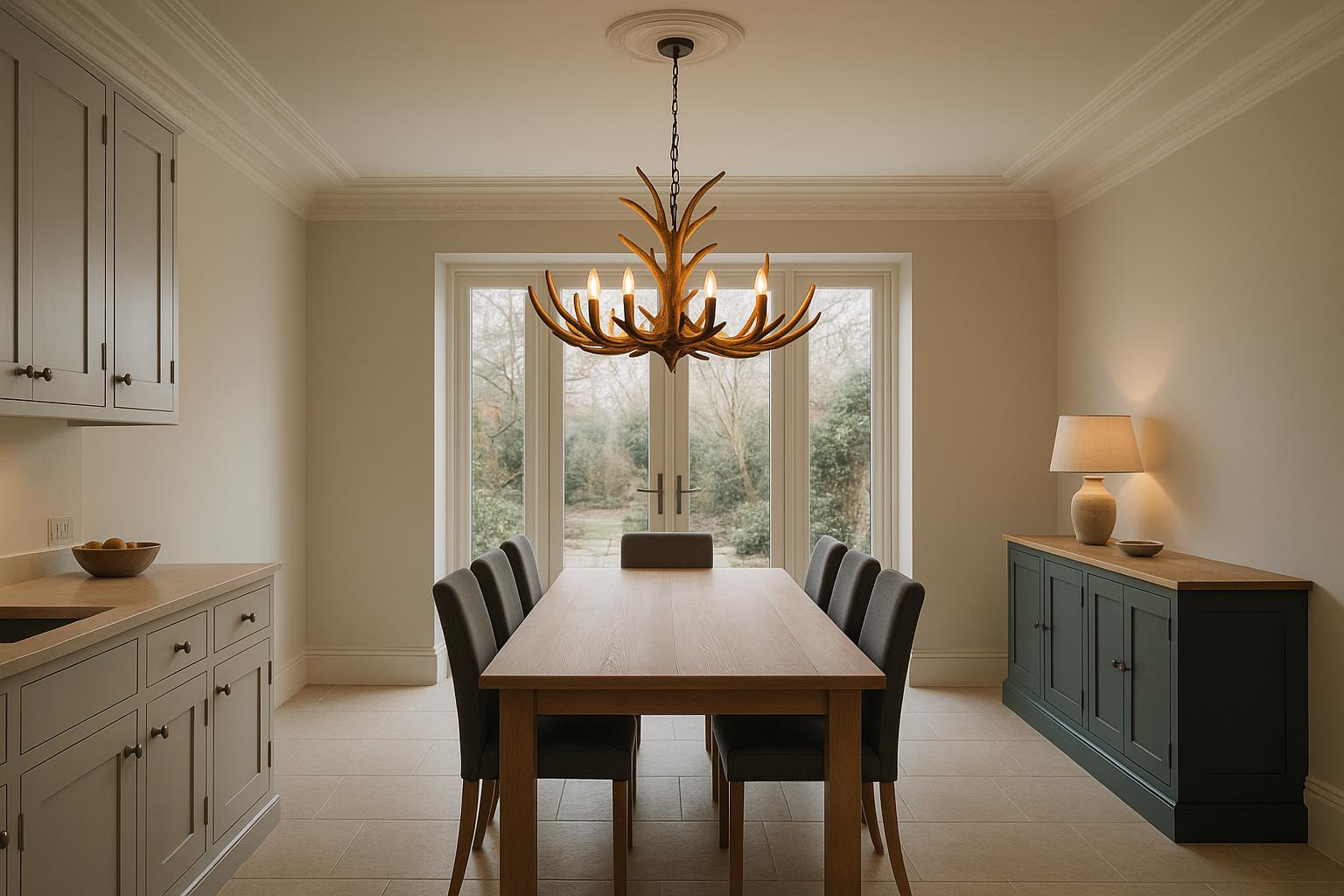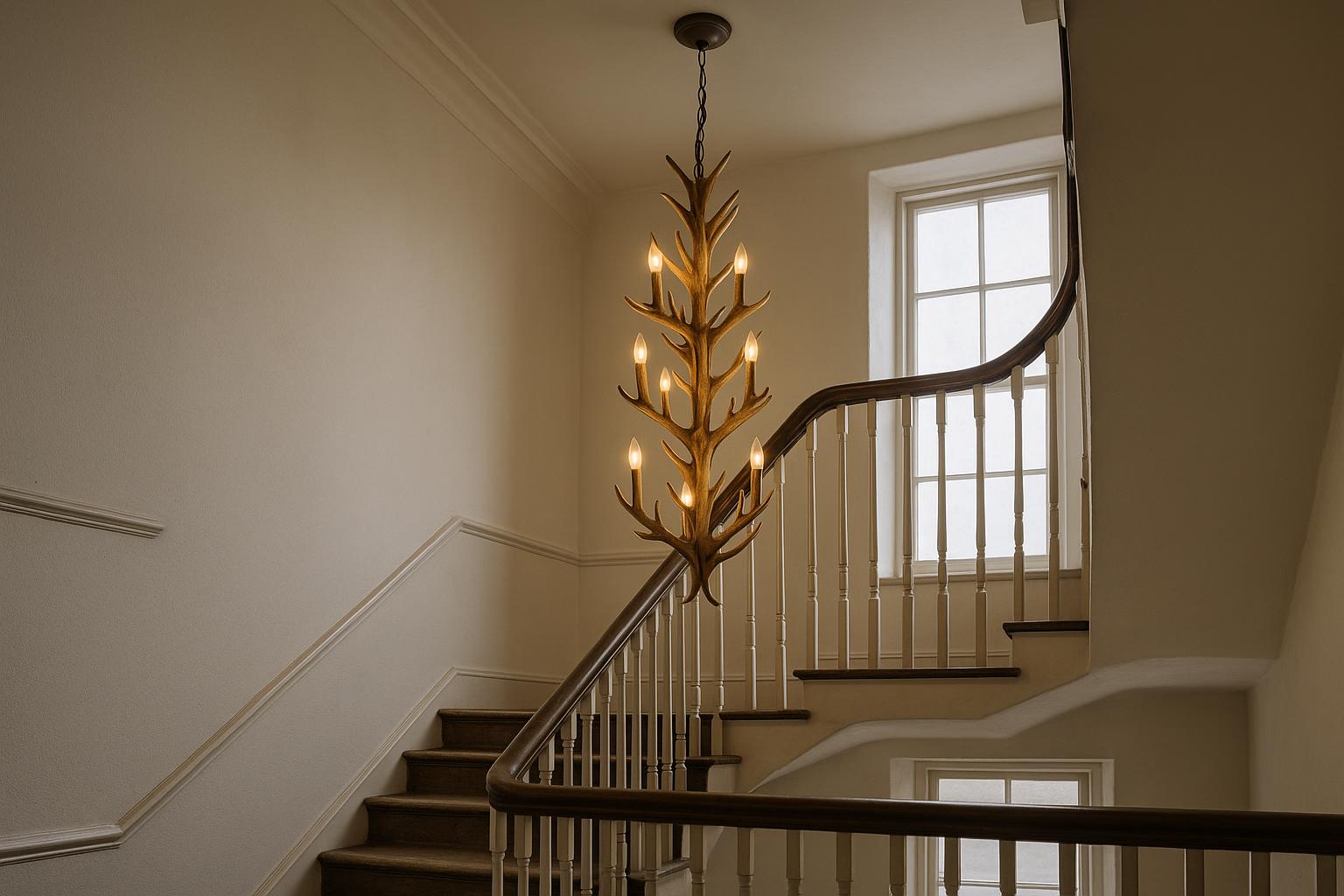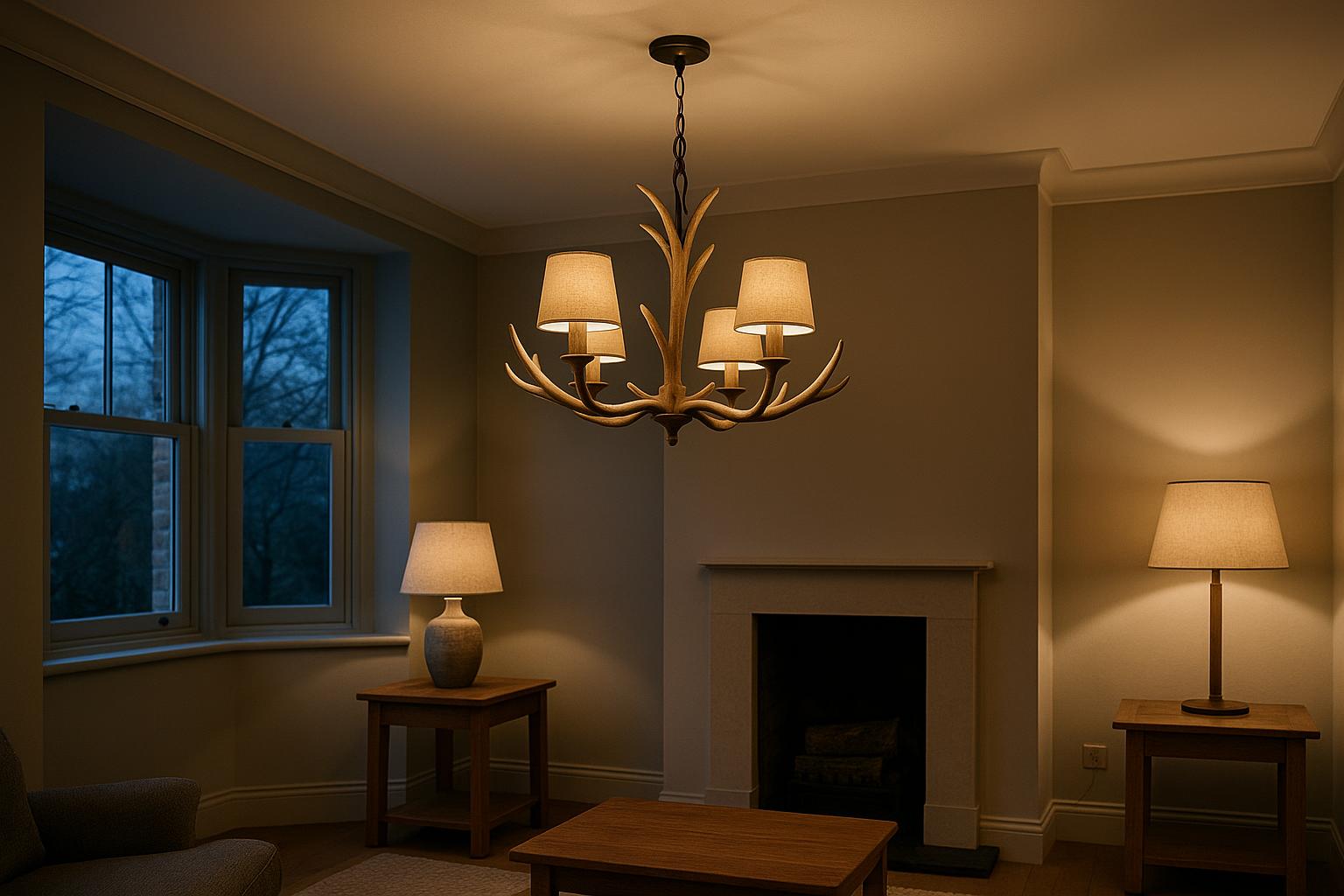



An antler pendant can work far beyond a lodge-style room. The key is to judge its outline, drop and finish against...
No featured images
1 Review(s) 
An antler pendant can work far beyond a lodge-style room. The key is to judge its outline, drop and finish against...
An antler pendant can bring character to a modest room without overwhelming it. The right choice depends on its...
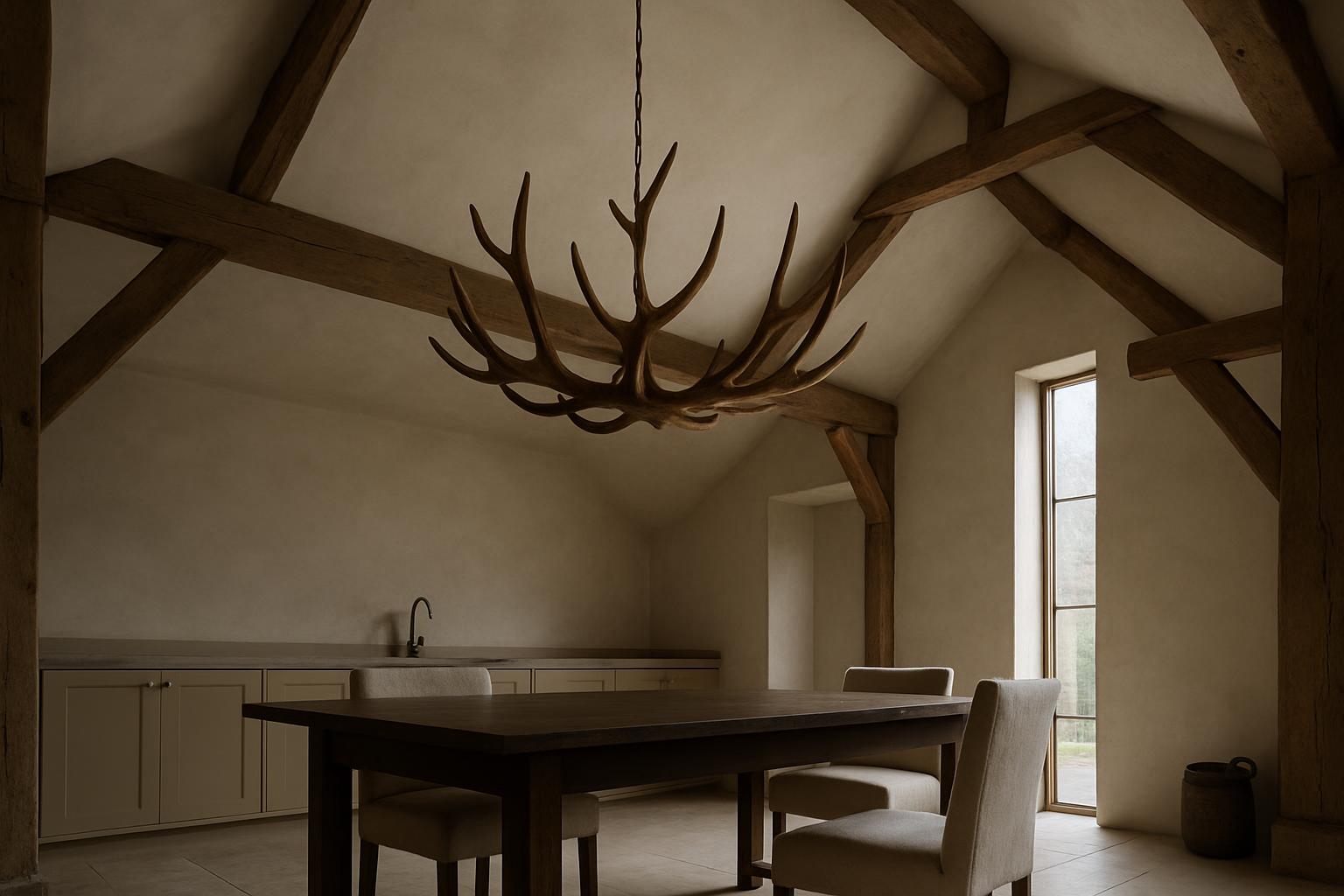
An antler pendant can look sculptural rather than rustic when its scale, outline and position respond carefully to...
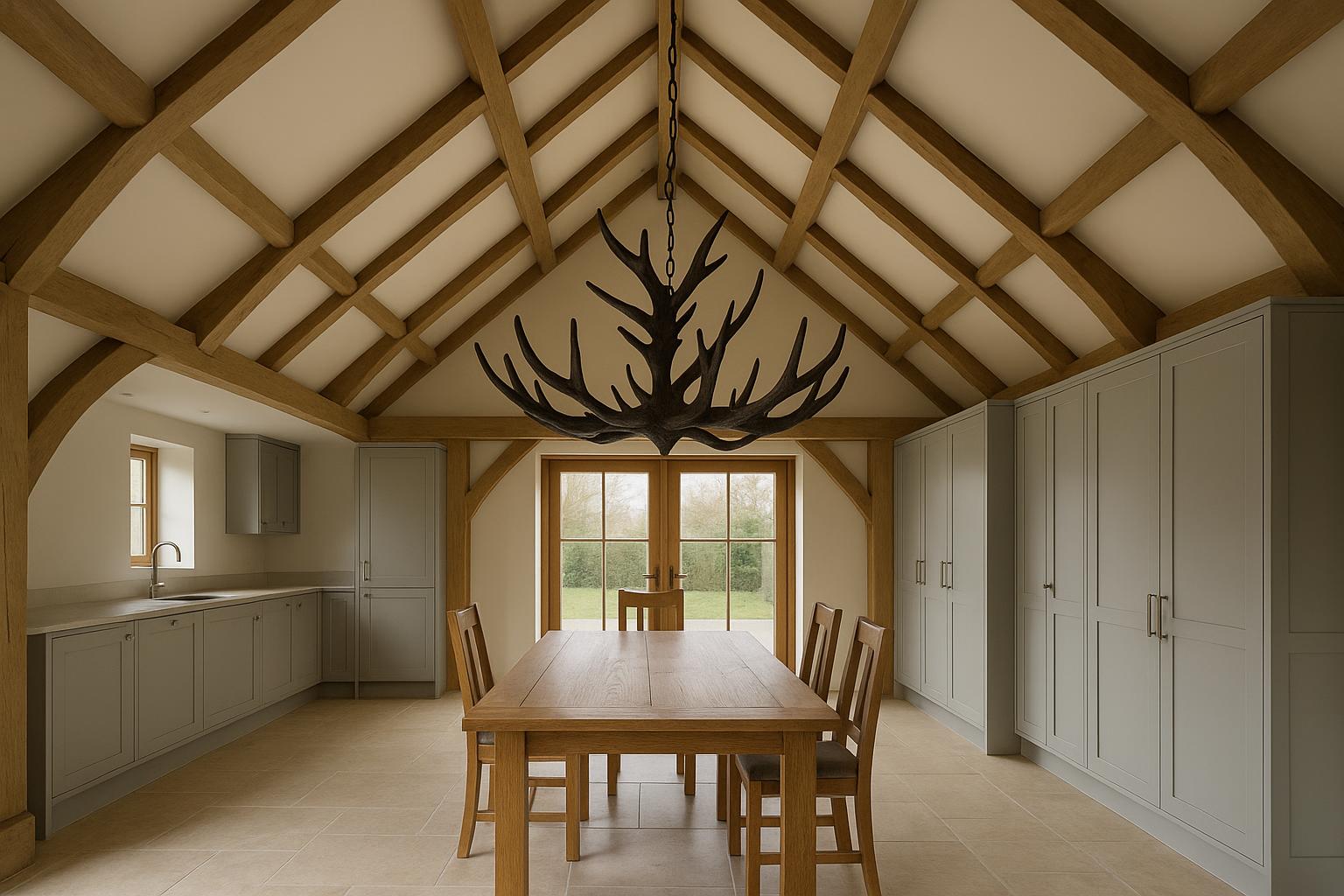
A practical approach to choosing the width, visual weight and drop of an antler pendant while respecting furniture,...
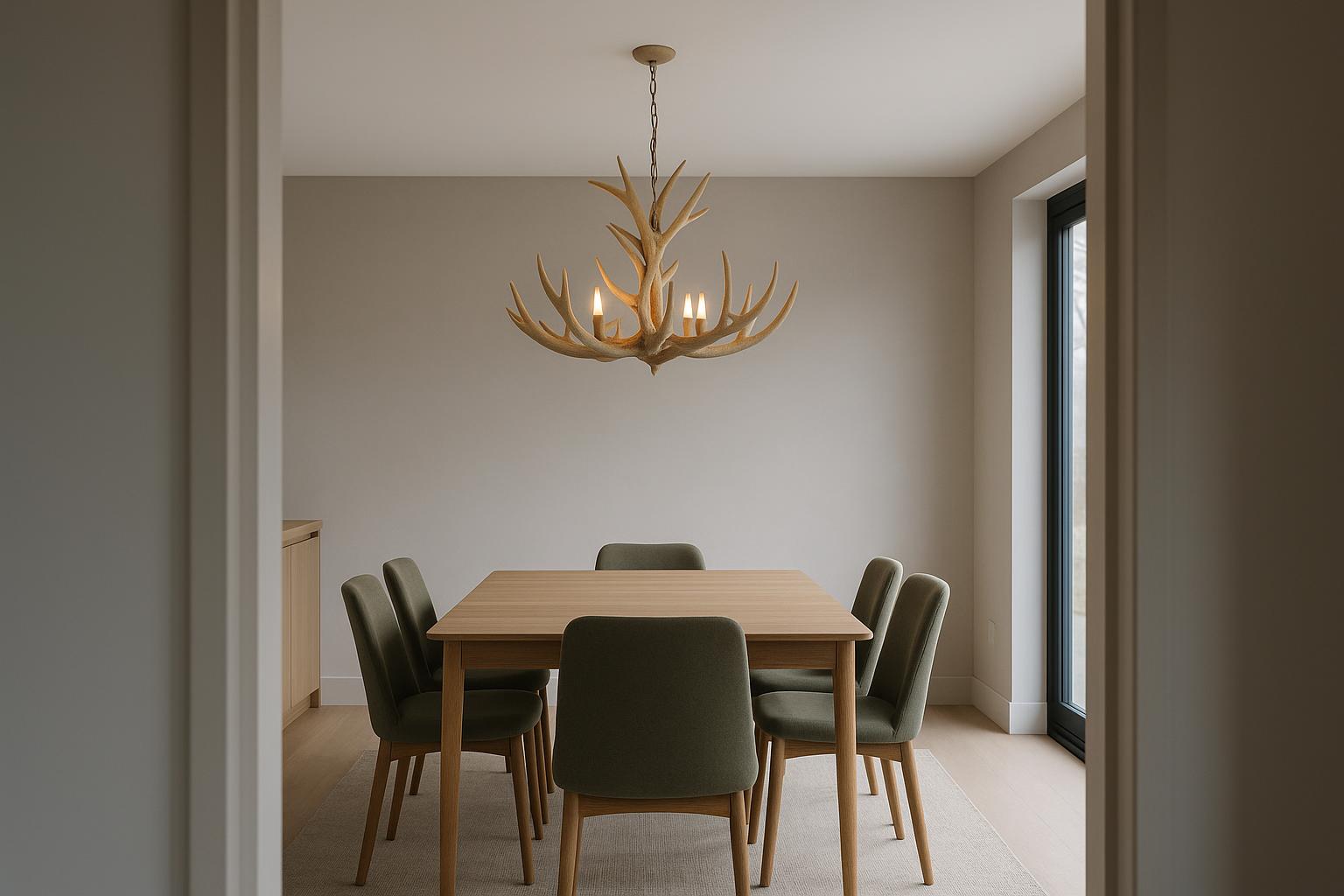
Antler pendant lights can bring sculptural character to a room without dictating a rustic theme. The key is to...
No featured images
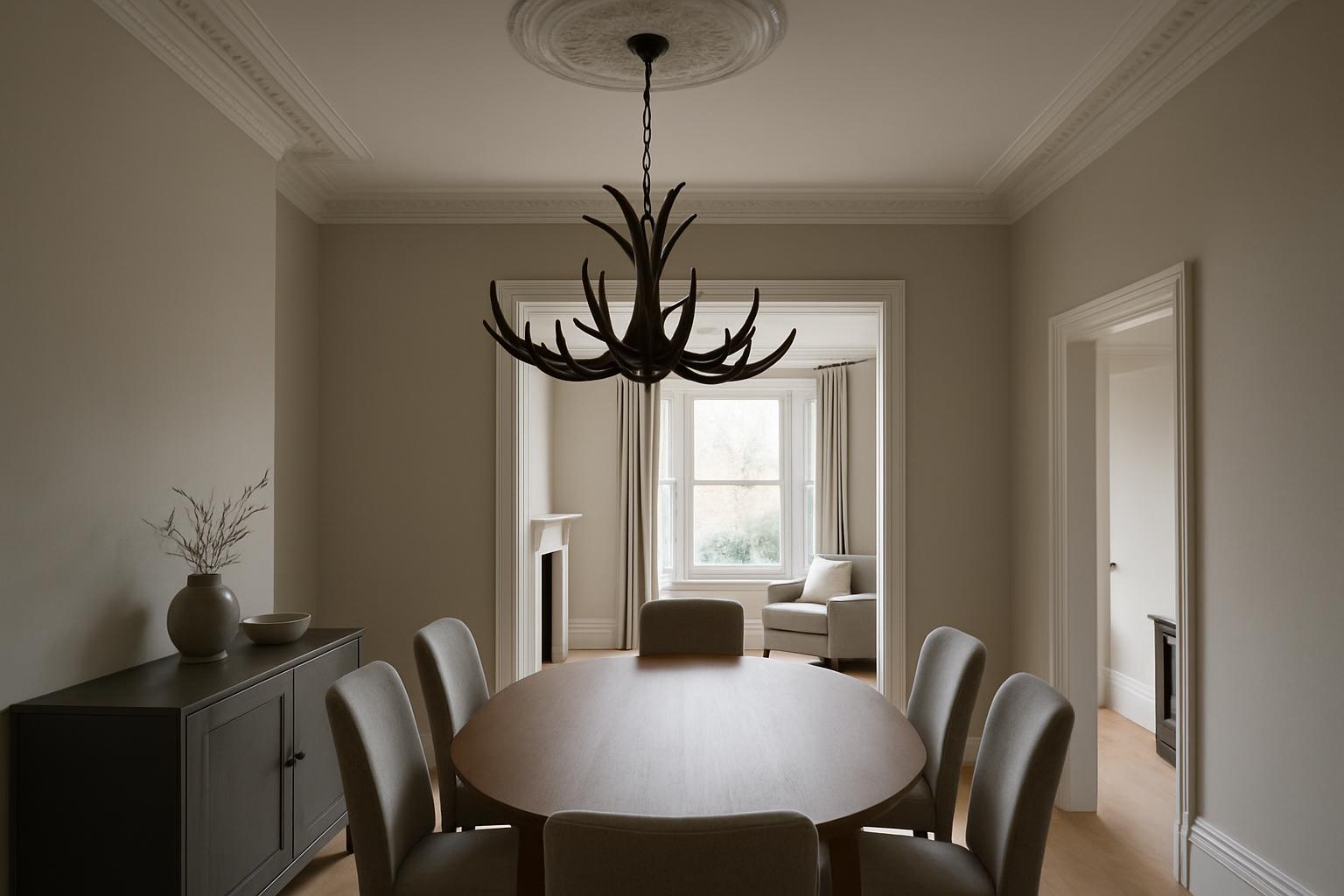
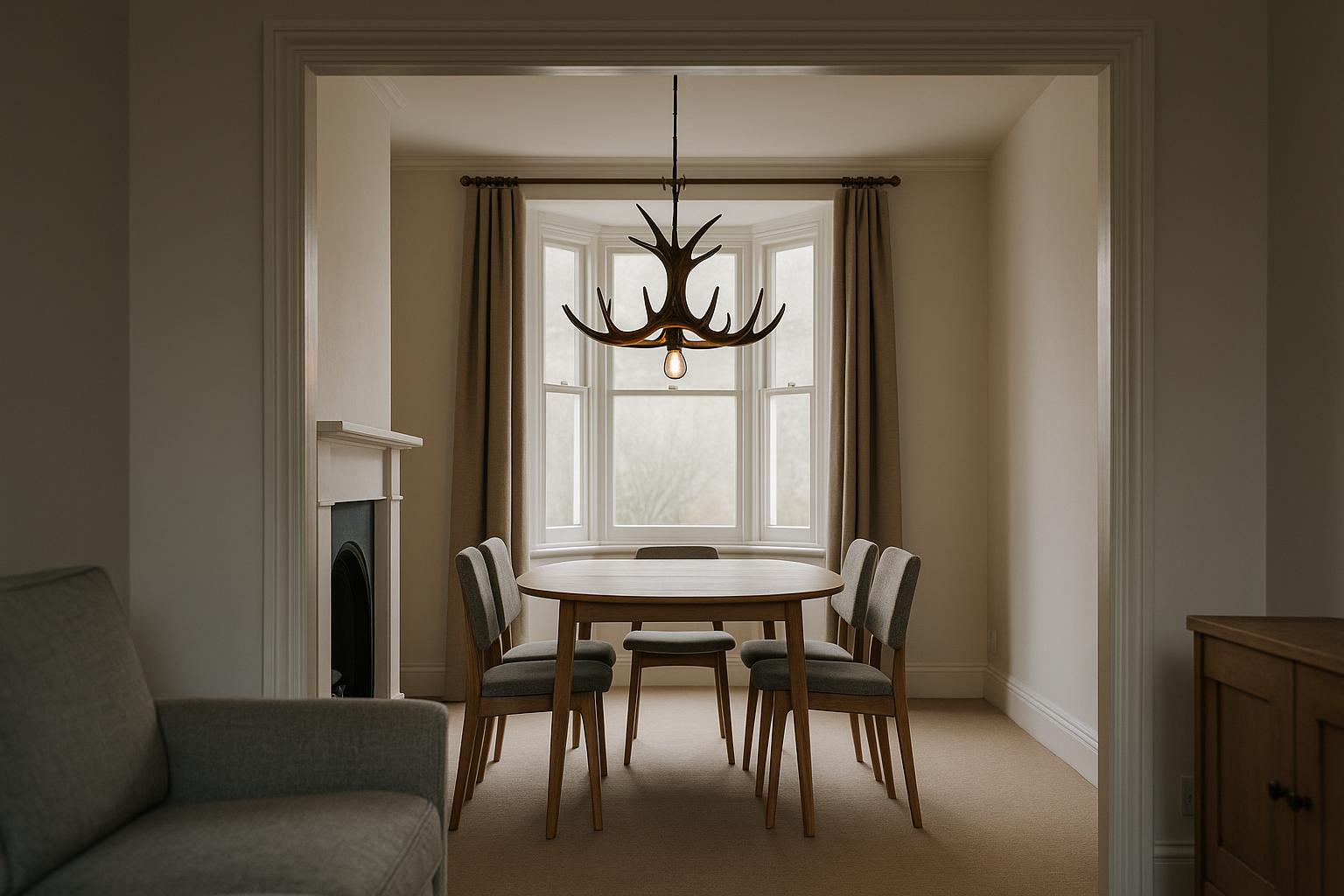
Knowing how to choose antler pendant lights begins with the room, not with a preferred finish or an impressive product photograph. Branching forms occupy space differently from plain shades: they project sideways, create irregular outlines and often reveal their lamps from several angles. Those qualities can make an antler pendant a strong focal point, but they also make scale, suspension and glare particularly important.
This matters in British homes, where a modest cottage dining room, a Victorian kitchen-diner and a tall townhouse landing present very different constraints. The right fitting need not turn any of them into a lodge-themed interior. Chosen with some restraint, it can introduce an organic shape while sitting comfortably alongside plasterwork, timber, stone or contemporary joinery.
Start with what the ceiling light must achieve. A pendant over a dining table can mark out the eating area and create a more intimate focus. In a sitting room, the same design may be expected to contribute general illumination without fighting for attention with a bay window, chimney breast or decorative ceiling rose. In a hallway or over a landing, circulation and visibility take priority.

Also note the main viewing positions. A light in an open-plan kitchen-diner may be seen from the worktop, sofa and garden doors as well as from the table below. An open arrangement of slender branches is less likely to block those views than a dense, layered design. This side profile can be more influential than the view shown in the main product image.
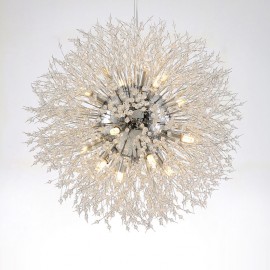
The labels pendant and chandelier are useful, but they do not describe every design consistently. Antler chandeliers usually spread around a central body and carry several lamps. A pendant may be compact and vertical, although some pendant designs are broad enough to behave like chandeliers in the room.
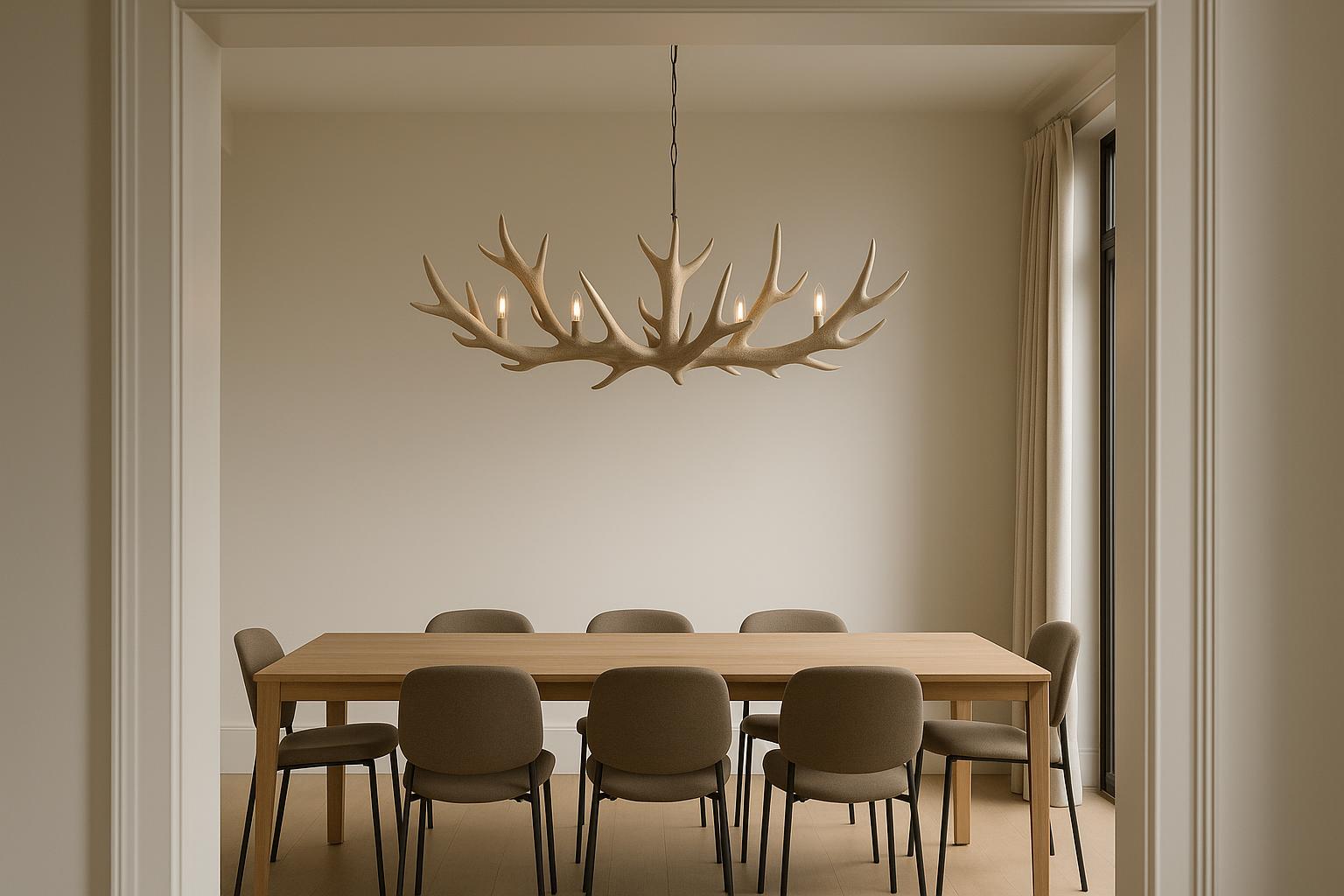
Use the complete width, depth and body height to understand the silhouette. A long table can support a wider horizontal form, while a stairwell may suit a narrower fitting that uses the available height without projecting over the landing. If a country style chandelier feels too expansive, a smaller pendant can provide the branching detail with less visual competition.
Check whether the dimensions include the furthest tips, shades and lamp holders. A seemingly small difference at the outer edge can matter beside a cupboard door, tall cabinet or route around a table.
Two fittings with the same stated width can feel entirely different. Dark colour, closely packed branches, thick sections and numerous lamps increase visual weight. Pale finishes, an open centre and clear gaps allow the ceiling and walls to remain visible, so the fitting reads more lightly.
Judge that weight against the furniture rather than the empty floor area. A substantial refectory table may make a small pendant look tentative. Above a compact round table, a sprawling fitting can appear unstable even when it physically fits. As a useful visual check, keep the branching form comfortably within the apparent boundary of the furniture below, leaving the route around it clear.
To complement this topic, you can also read Room First, Antlers Second: Placing a Sculptural Pendant.
A full-size paper or cardboard outline is more revealing than a measurement written on a plan. Hold or tape the template at the proposed height, then look from the doorway and the seats used most often. It will not show the fitting's depth, but it quickly exposes a width that interrupts the room.
Before ordering, compare the minimum and maximum suspension with the ceiling height and the depth of the fitting itself. An adjustable chain, cable or rod cannot compensate for a body that is already too deep.
Over a dining table, the pendant can sit lower because people do not normally pass beneath it. Test the position while seated: diners should be able to see each other, and exposed lamps should not sit directly in their eyeline. If the table is occasionally moved or extended, plan for its usual and largest practical positions.
Over open floor, allow generous head clearance for everyone who uses the space. A shallow antler form is often the better answer beneath a modest ceiling. Tall, multi-tiered lodge lighting belongs where the architecture provides enough height to make the drop look intentional rather than compressed.
Period details add another decision. A ceiling rose may establish a strong architectural centre, while the dining table may sit off-centre to improve circulation. Decide which element should lead before altering the electrical position. Any installation or relocation should follow the fitting instructions and be handled by a suitably qualified electrician.
Finish affects both contrast and apparent size. A pale antler effect can look softly sculptural against a coloured wall but may lose definition near a cream or white ceiling. Charcoal, black and deep brown finishes draw a firmer outline. In a room with dark cabinetry or limited winter daylight, however, they can also make a complex fitting feel heavier.

In the same direction, Will It Block the View? Sizing an Antler Pendant for a UK Home offers useful ideas for choosing home lighting more confidently.
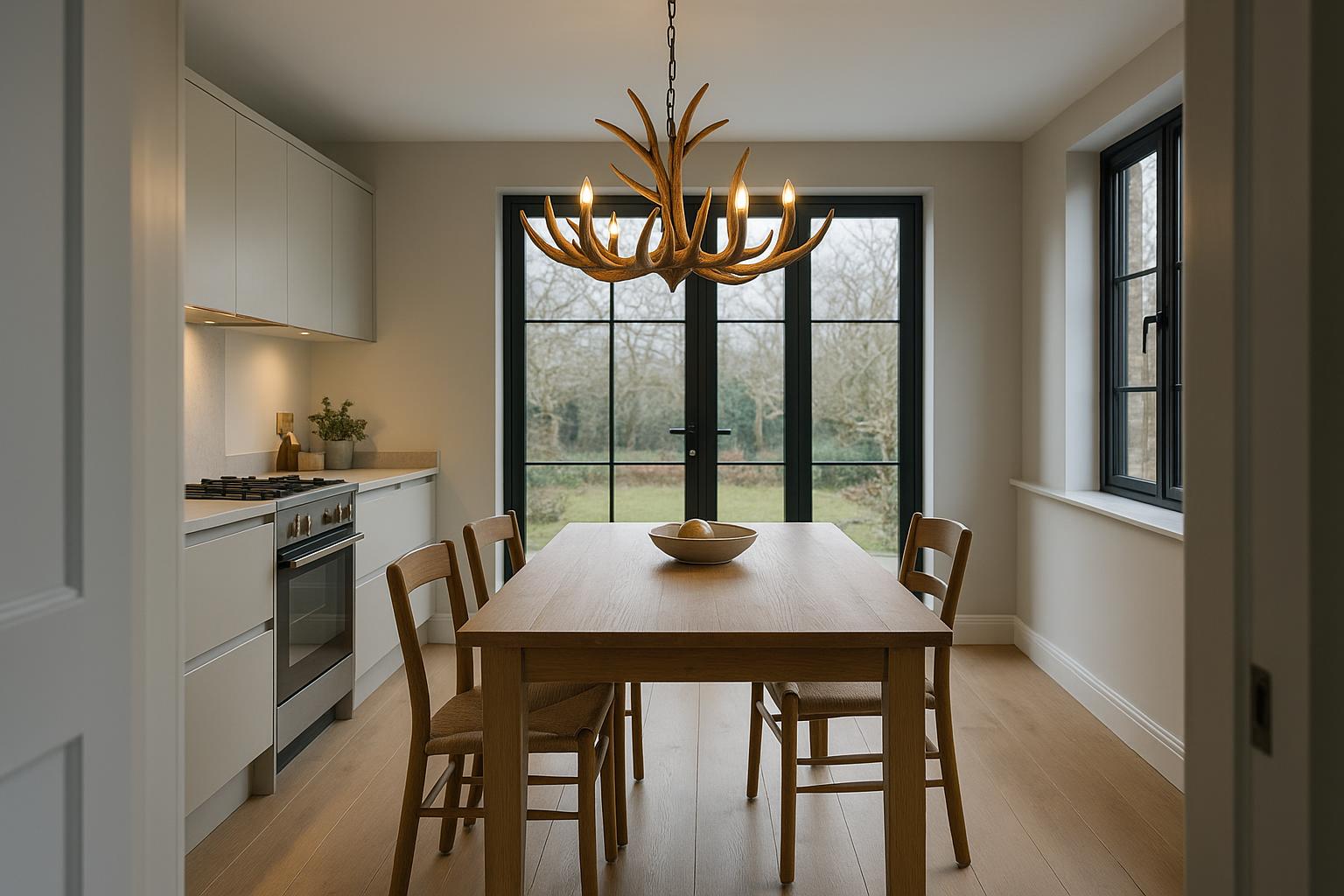
A direct colour match is rarely necessary. Mid-toned finishes often sit easily with oak without pretending to be the same material. A dark fitting can bring definition to flat-fronted kitchen units and pale stone, while subtle variation may suit an older room better than a perfectly uniform surface.
Do not infer the material from an image. Antler-style fittings may be made with different bases, coatings and decorative finishes. Read the individual description for the stated construction, care information and colour, then consider how it will look in both cool daytime light and warm evening illumination.
The position of the lamps determines whether a decorative fitting is comfortable to live with. Upward-facing lamps tend to contribute reflected ambient light where the ceiling is light enough to return it. Downward-facing lamps can be more useful over a table or island. Lamps pointing outwards may create sparkle, but they are also more likely to be visible from a sofa, dining chair or upper landing.
Shades can soften glare and give rustic antler lighting a more tailored appearance. They also alter how much light reaches the ceiling and walls, so examine photographs from below as well as from the side. For exposed lamps, the bulb shape and brightness become part of the design rather than a hidden technical choice.
Confirm the lamp cap, number of lamps and maximum rating in the specification. If dimming is required, the fitting, lamps and control must be compatible. A warmer colour appearance generally works well with timber, linen and earthy finishes, but the final choice should also suit the room's paint colours and other light sources.
For more consistent lighting throughout the home, the article Beyond Rustic: A Room-First Guide to Antler Pendant Lights may also be helpful.
Make a short list of non-negotiable measurements: overall width and depth, body height, minimum and maximum suspension, ceiling canopy size and total weight. Compare the canopy with any existing ceiling rose, and ask your electrician to assess the fixing and ceiling support, especially in an older property or for a substantial multi-light design.
Look at product photographs from every available angle. A front view can conceal depth, wiring routes and the relationship between the branches and lamp holders. Side and underside views are more useful for anticipating glare and visual density.
Maintenance deserves equal attention. Branching surfaces collect more dust than a smooth shade. A highly detailed fitting above a stair void or vaulted ceiling may be awkward to reach, whereas a simpler form can retain the character with less effort.
The best antler pendant should look well judged when switched off and provide comfortable, useful light when switched on. Record the maximum width your room can carry, the workable suspension range, the preferred lamp direction and the amount of visual contrast you want. Those limits will narrow the options more effectively than style labels alone.

With those notes to hand, browse Lighting Go's antler pendant lights and compare each specification with the actual room. A measured shortlist makes the final choice easier and gives your electrician clearer information before installation.
Antler Pendant Lights Without the Lodge Theme
Before You Hang It: Antler Pendants and Living-Room Sightlines
Room First, Antlers Second: Placing a Sculptural Pendant
Room to Breathe: Siting a Large Antler Pendant
Hot Tags: Wood Lights, Glass Pendant Lights, Discount Pendant Lights, Pendant Lights UK, Pendant Drop Lights, Discount Chandeliers UK, Flush Mount Fans, Huge Chandeliers, Ceiling Lights Sale, Glass Wall Sconces, Antler Chandeliers, Modern Bathroom Design, Dimmable Ceiling Lights, Bedroom Lights, Bathroom Lights, Kitchen Lighting, Modern Chandeliers, Lighting Ideas
Copyright © 2030 LightingGo. All rights reserved.