


An antler pendant can work far beyond a lodge-style room. The key is to judge its outline, drop and finish against...
No featured images
1 Review(s) 
An antler pendant can work far beyond a lodge-style room. The key is to judge its outline, drop and finish against...
An antler pendant can bring character to a modest room without overwhelming it. The right choice depends on its...
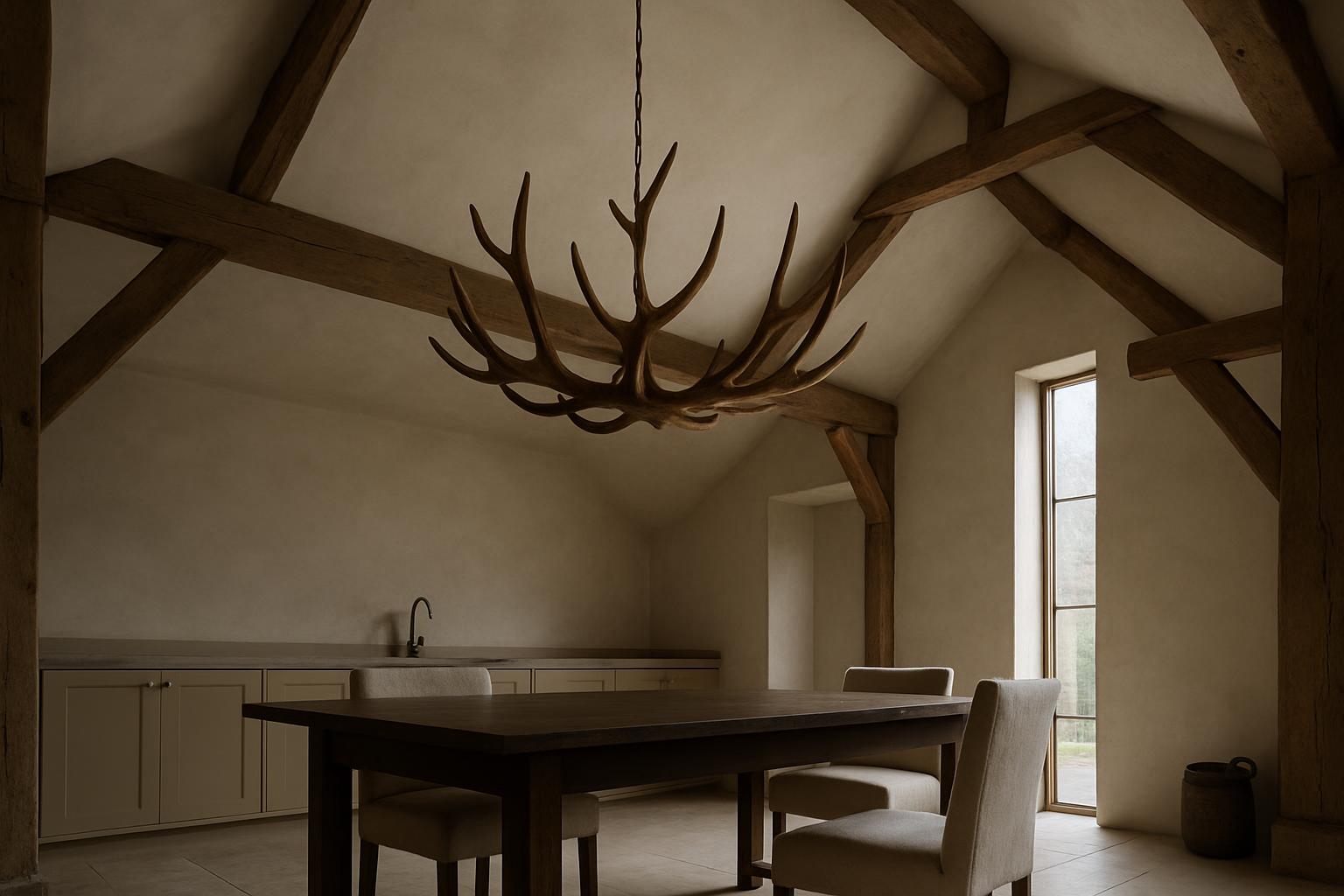
An antler pendant can look sculptural rather than rustic when its scale, outline and position respond carefully to...
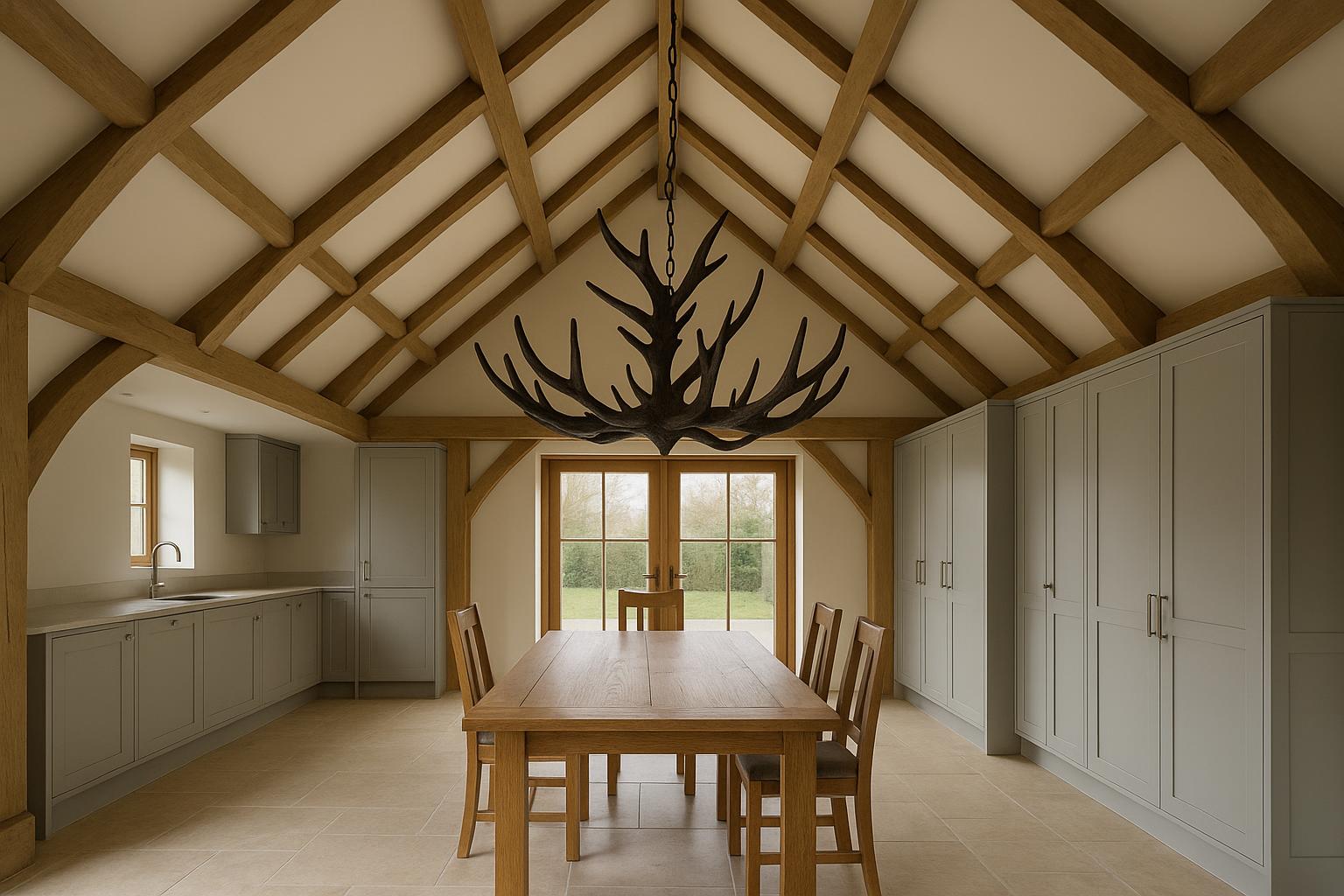
A practical approach to choosing the width, visual weight and drop of an antler pendant while respecting furniture,...
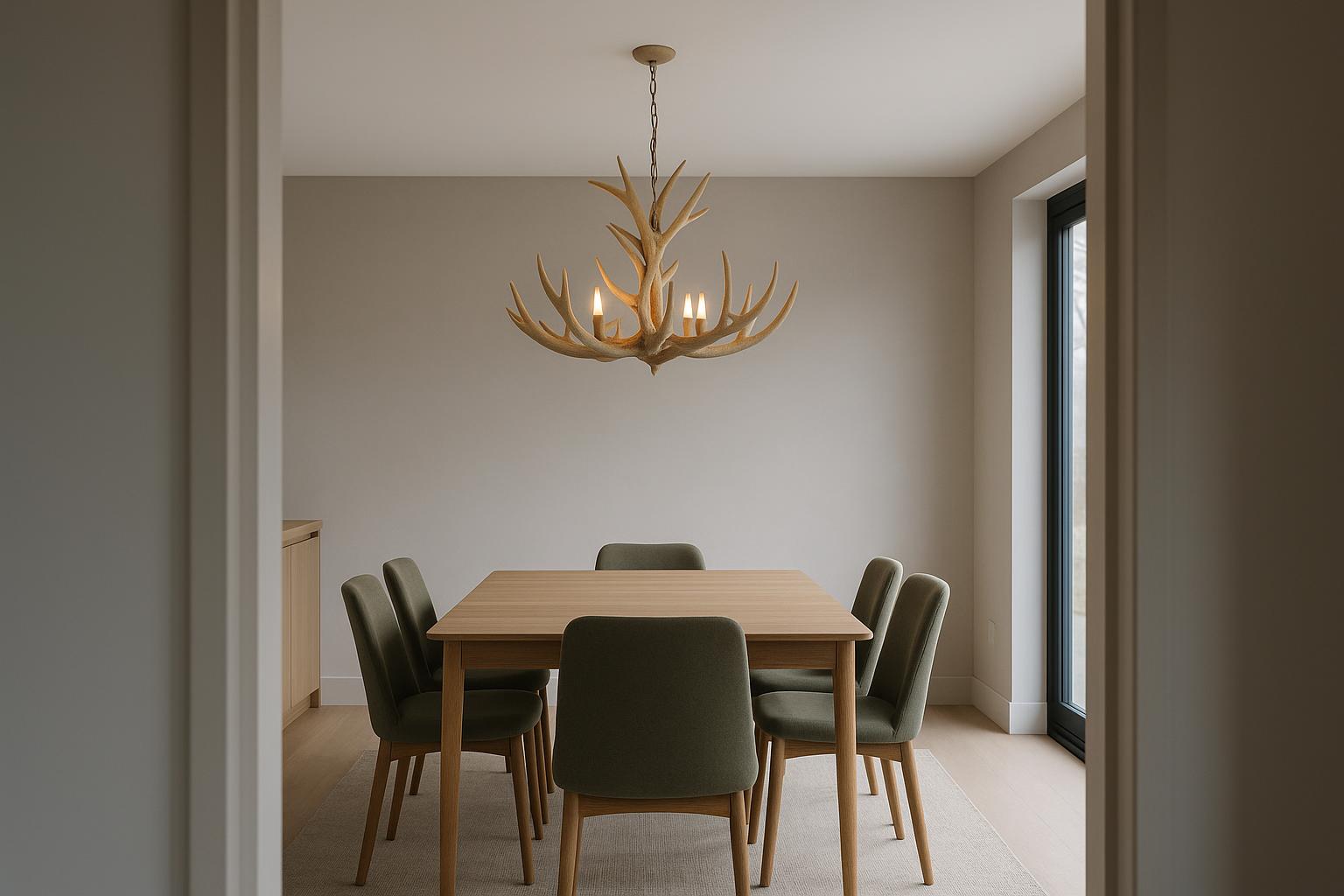
Antler pendant lights can bring sculptural character to a room without dictating a rustic theme. The key is to...
No featured images
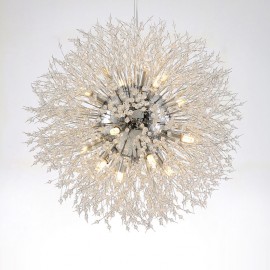
designer antler pendant lights can look unexpectedly elegant in British homes. Their branching forms bring irregularity to rooms governed by straight walls, rectangular furniture and fitted cabinetry. The challenge is not deciding whether the style is rustic or contemporary. It is finding a fitting whose outline, height and visual weight belong in the room.
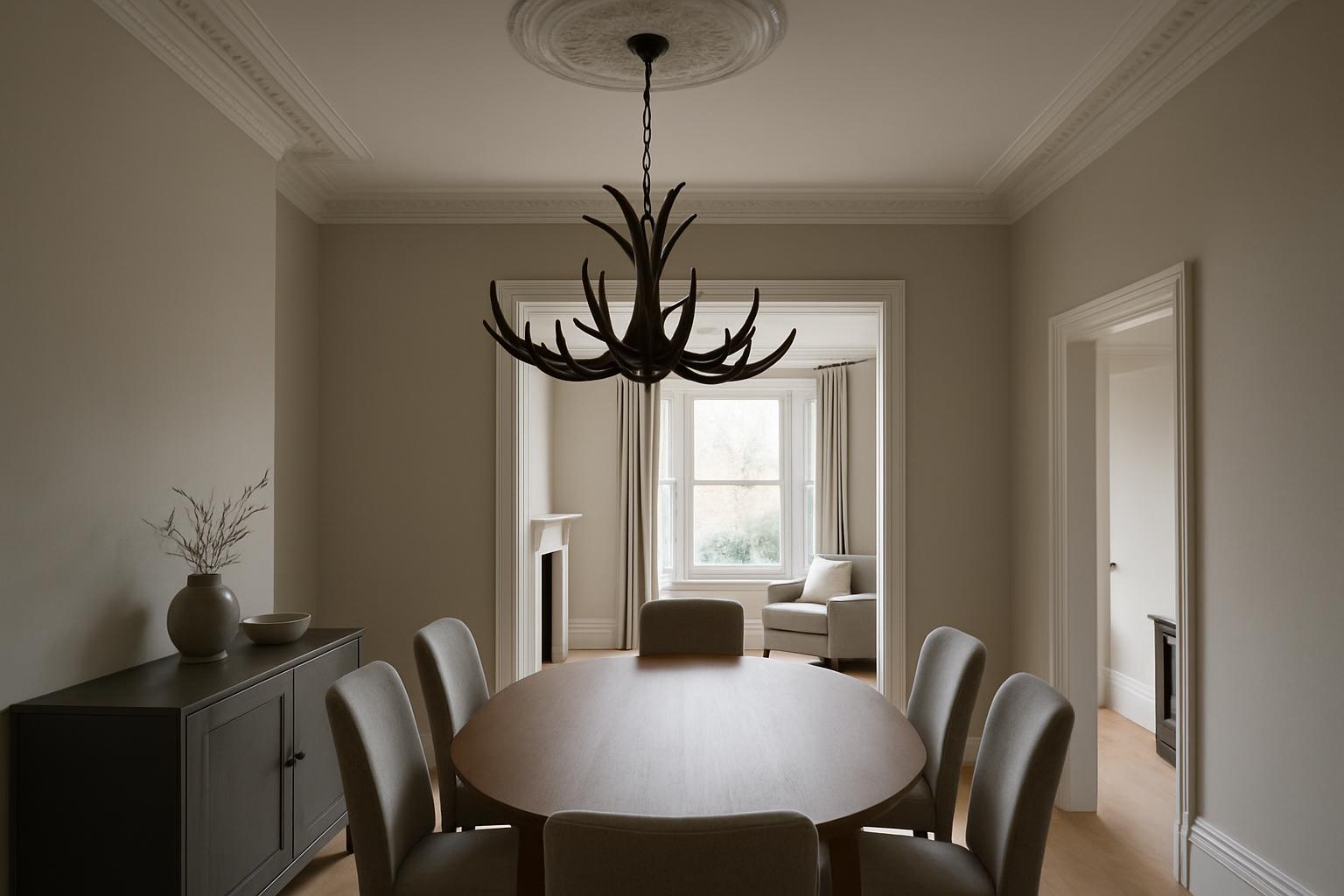
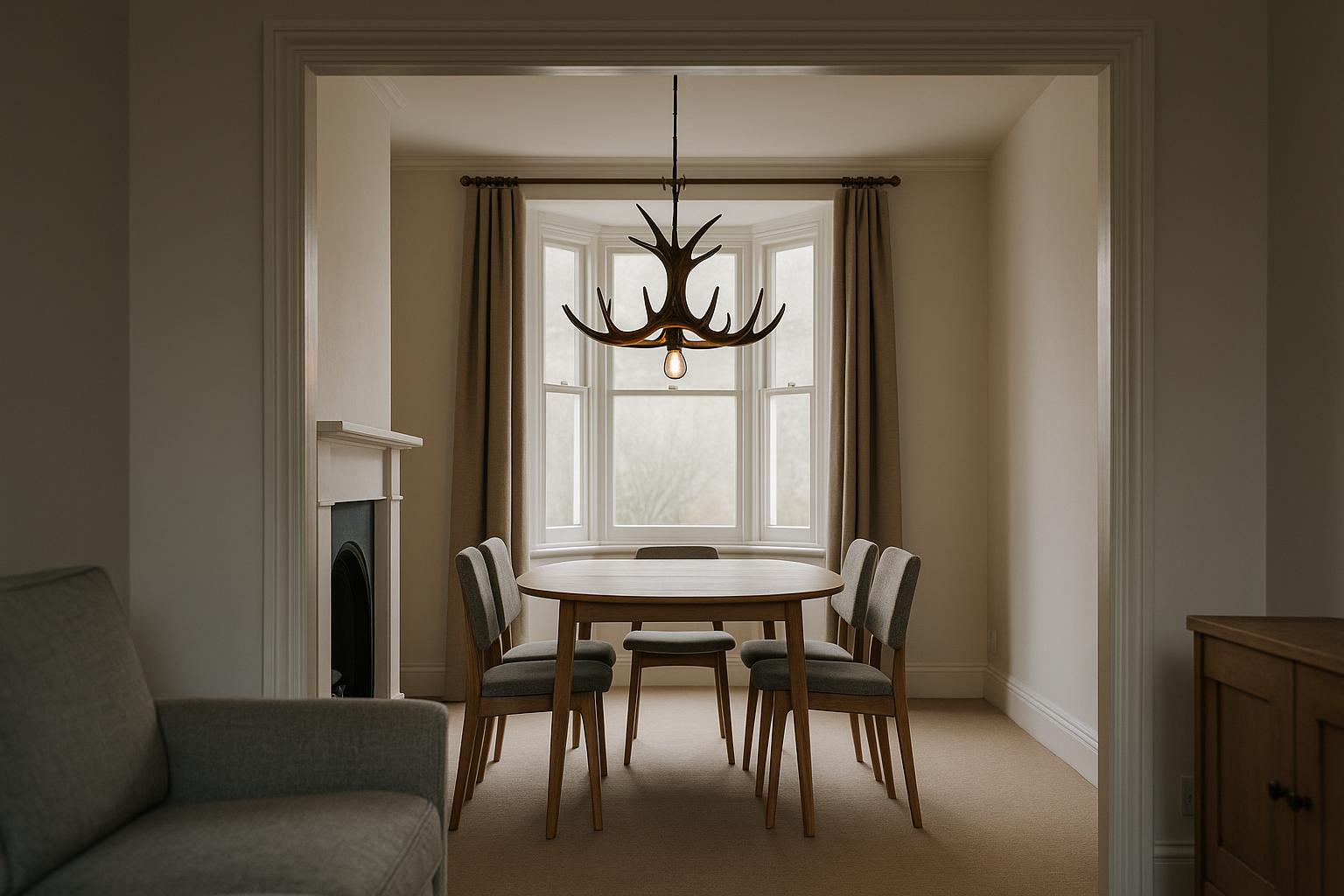
This matters because an antler pendant is rarely seen from one fixed position. It may be viewed through a doorway, across a kitchen island or from the far end of a sitting room. Its appearance also changes after dark, when visible lamps and shadows make the structure more pronounced. A successful choice accounts for all of those views rather than relying on a single product photograph.
Start by identifying the area the pendant will occupy. A dining table creates a natural zone beneath a broad fitting, allowing the branches to spread without intruding into a route through the room. A stairwell or pitched roof can also provide useful volume. The centre of an open sitting room is less forgiving, particularly if people regularly walk beneath the electrical point.

Measure the ceiling height and the width and length of the proposed location in centimetres. Note nearby features too: the edge of a chimney breast, the line of a bay window, tall cupboards, rooflights and doors that open into the space. These elements often matter more than the room's total floor area.
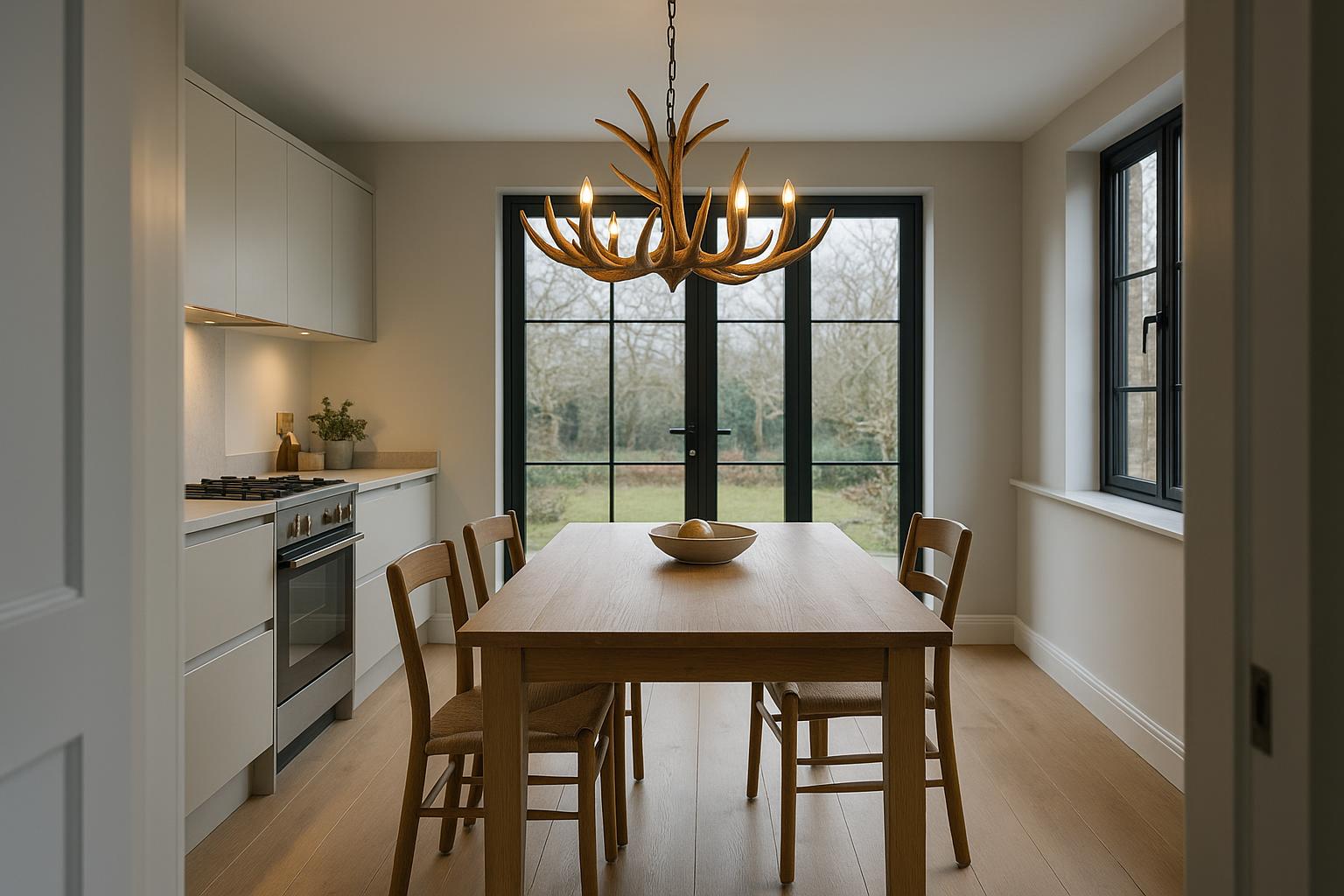
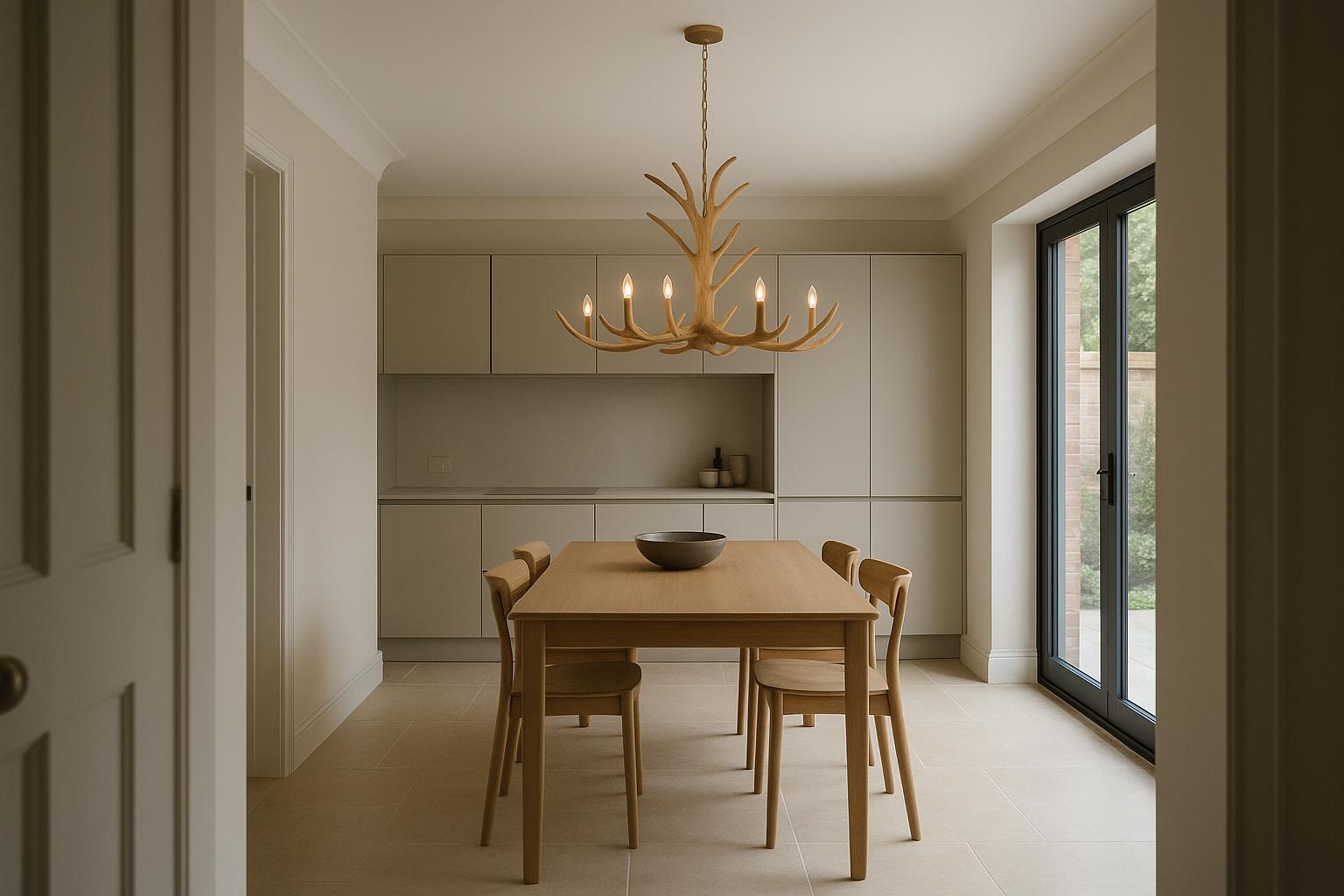
In a compact kitchen-diner, for example, a pendant may fit comfortably above the table but appear crowded beside a full-height bank of units. Shifting the table and fitting together by even a small amount can improve the composition. The electrical position may then need to be assessed rather than treated as immovable.
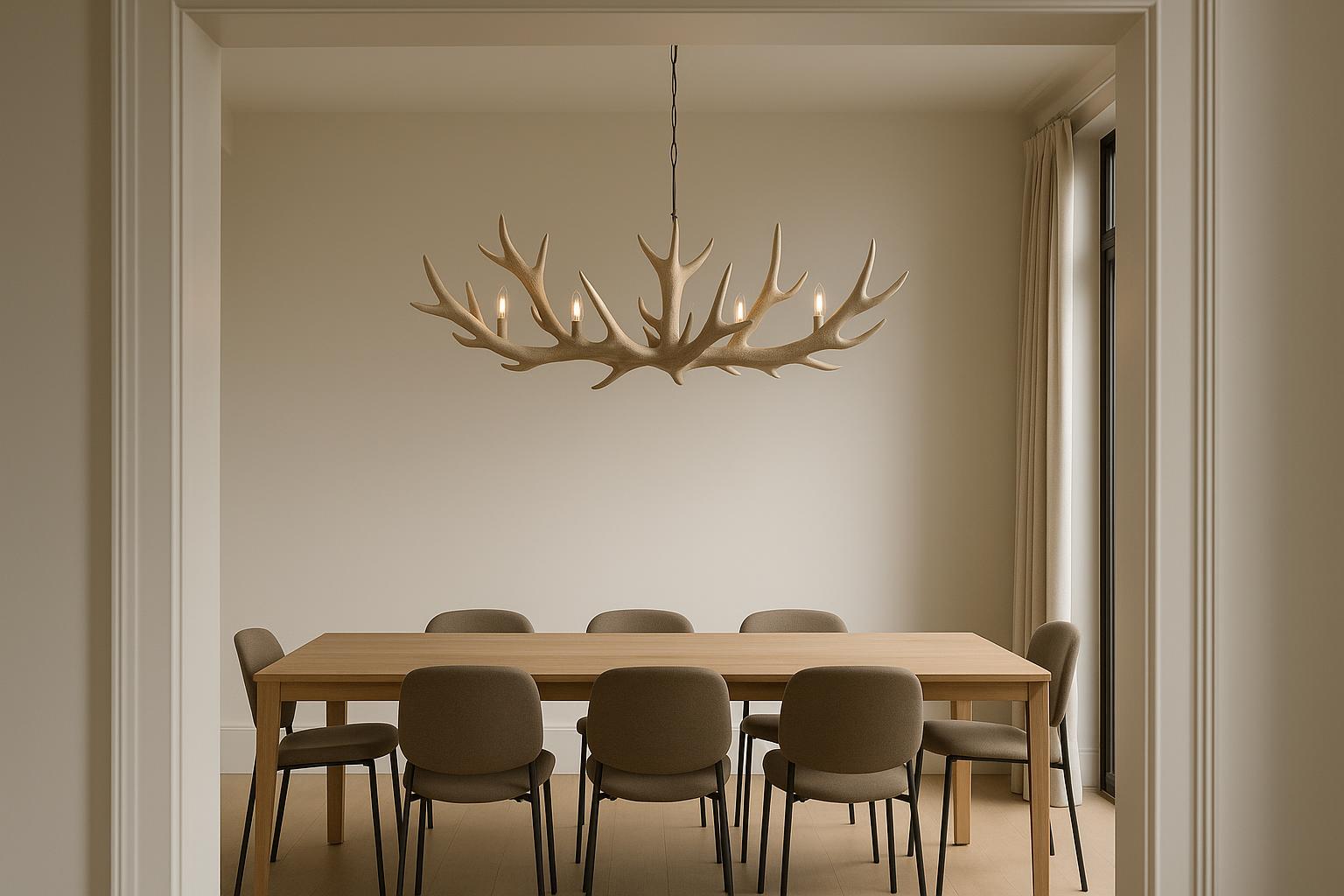
Antler lighting is defined by its silhouette. Two fittings with the same overall diameter can have very different visual effects. Widely spaced branches leave the ceiling visible and tend to feel lighter. Closely interwoven forms create a denser centre and need more quiet space around them.
Use the complete width and depth from the product information to make a temporary outline. Removable tape, lightweight card or paper cut to the stated dimensions is enough. Suspend it at approximately the intended height, then view it from the hallway, kitchen, garden doors and any adjoining seating area.
Pay particular attention to side views. A fitting that looks balanced from the end of a dining table may form a solid band when seen across the room. Check whether it masks a window, cuts awkwardly across a picture or competes with a ceiling rose. This exercise is more revealing than applying a generic sizing formula because it reflects the room's actual furniture and sightlines.
The available hanging range is as important as width. Above a table, the pendant can sit lower because the furniture prevents anyone from walking directly underneath it. It should still allow seated diners to see one another and should not place exposed bulbs uncomfortably in their line of sight.
To complement this topic, you can also read Will It Block the View? Sizing an Antler Pendant for a UK Home.
Where there is open floor below, prioritise practical headroom and remember that branching tips may extend lower than the central body. In a standard-height new-build or London flat, a shallow open-form pendant will usually sit more comfortably than a deep arrangement on a long chain. A fitting that technically fits can still make the ceiling feel oppressive.
Higher spaces bring a different risk: hanging the pendant too low simply because a long drop is available. In a loft conversion or extension with a pitched roof, relate the fitting to the roof apex, beams, upper glazing and table. It should help the eye understand the volume rather than divide it into upper and lower halves.
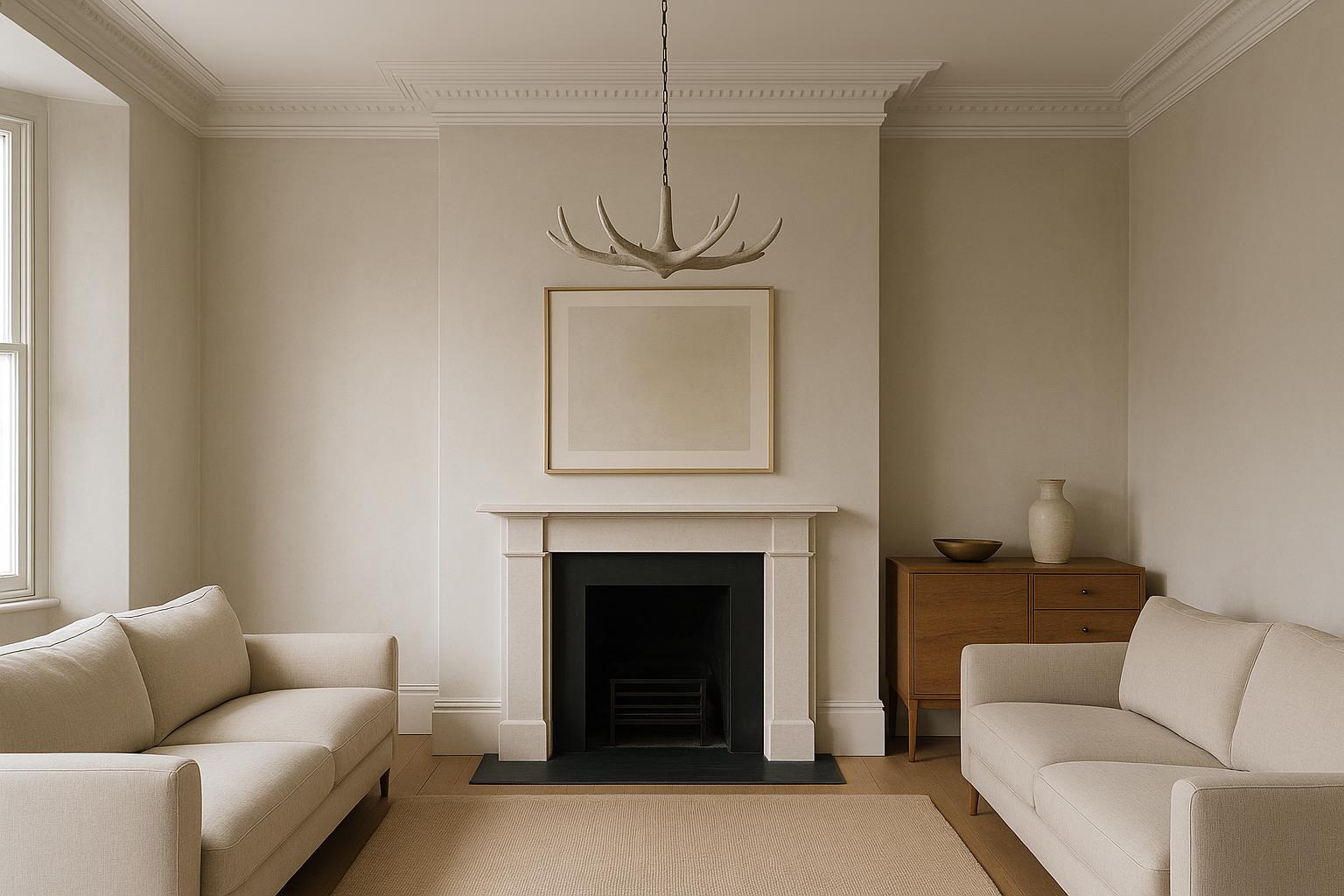
Period plasterwork also needs consideration. A ceiling rose can frame an antler pendant beautifully, but the canopy should sit neatly within it. Check both diameters before ordering. If the rose is ornate, an open and relatively simple branch structure will usually give the ceiling a clearer hierarchy than a dense country style chandelier.
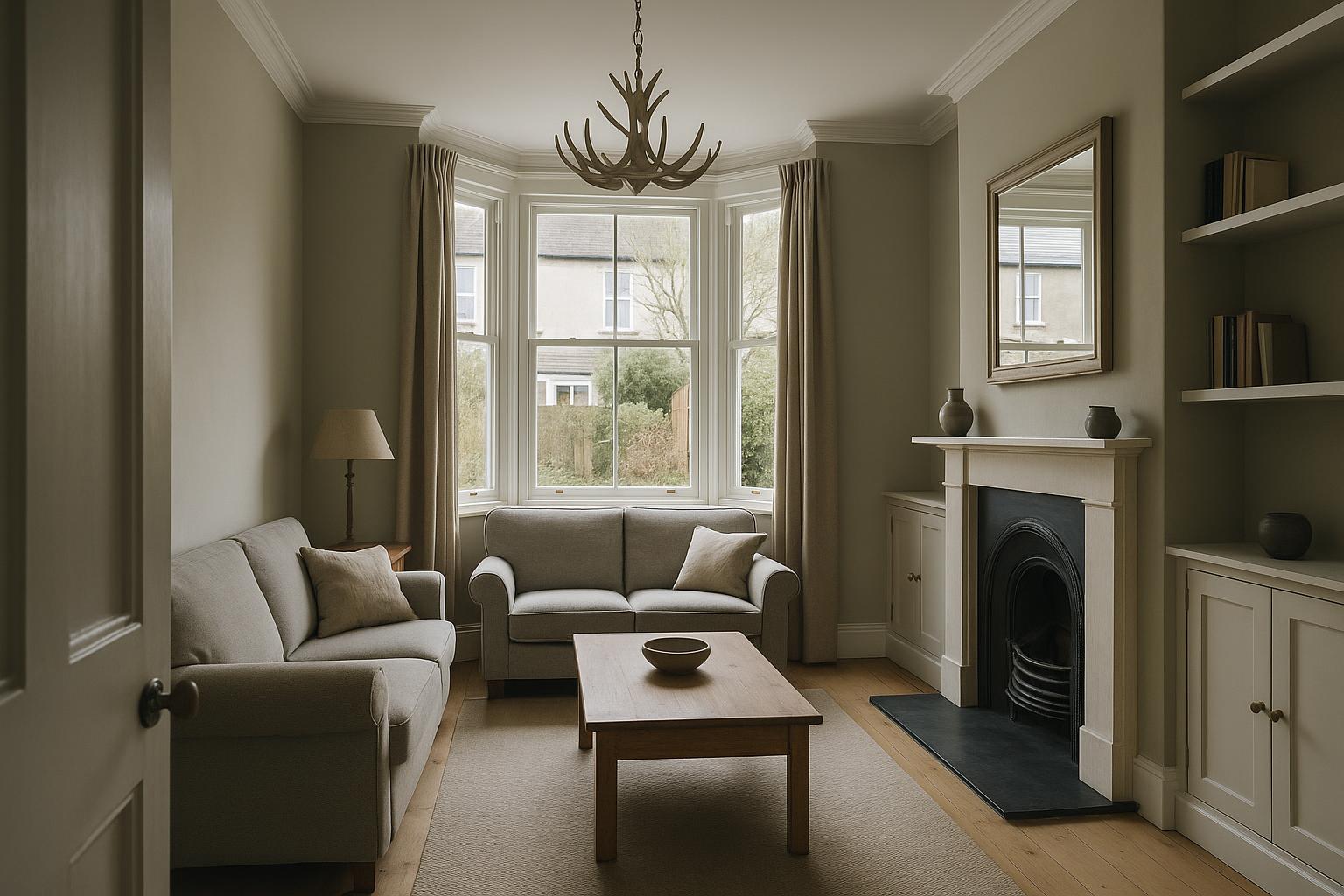
Antlers do not require a lodge interior. In many homes, the fitting looks more assured when it is the only overtly rustic reference. Limewashed walls, plain linen, oak furniture and restrained metalwork provide texture without turning the room into a set.

Avoid repeating the motif on mirrors, handles and ornaments. One branching form reads as sculpture; several literal references can quickly become themed. This distinction is useful when comparing a pendant with larger antler chandeliers. A compact pendant can make its impact through one concentrated outline rather than tiers of decorative arms.
Contemporary rooms can be particularly effective settings. In a kitchen dominated by handleless units and pale worktops, rustic antler lighting introduces a less predictable shape. In a Victorian terrace or Edwardian semi, it can provide contrast with formal cornices and a chimney breast, provided the surrounding pattern and decoration are kept under control.
In the same direction, Beyond Rustic: A Room-First Guide to Antler Pendant Lights offers useful ideas for choosing home lighting more confidently.
Finish changes the apparent weight of the fitting. Black or deep brown branches draw a crisp line against a pale ceiling. Cream, stone and weathered neutral finishes produce a softer outline, while mottled warm tones work naturally with aged timber and leather.
Judge colour in the conditions the room normally experiences. On a dark winter afternoon, a substantial dark fitting can become more dominant in a north-facing room. A pale version may preserve a greater sense of space, although it can lose definition against a white vaulted ceiling. Product photographs taken against a plain studio background do not always reveal this relationship.
Do not infer the material or surface texture from appearance alone. Antler-style fittings vary in construction, and close-up images cannot establish weight, finish or how the components join. Read the specification and confirm anything that will affect installation or care.
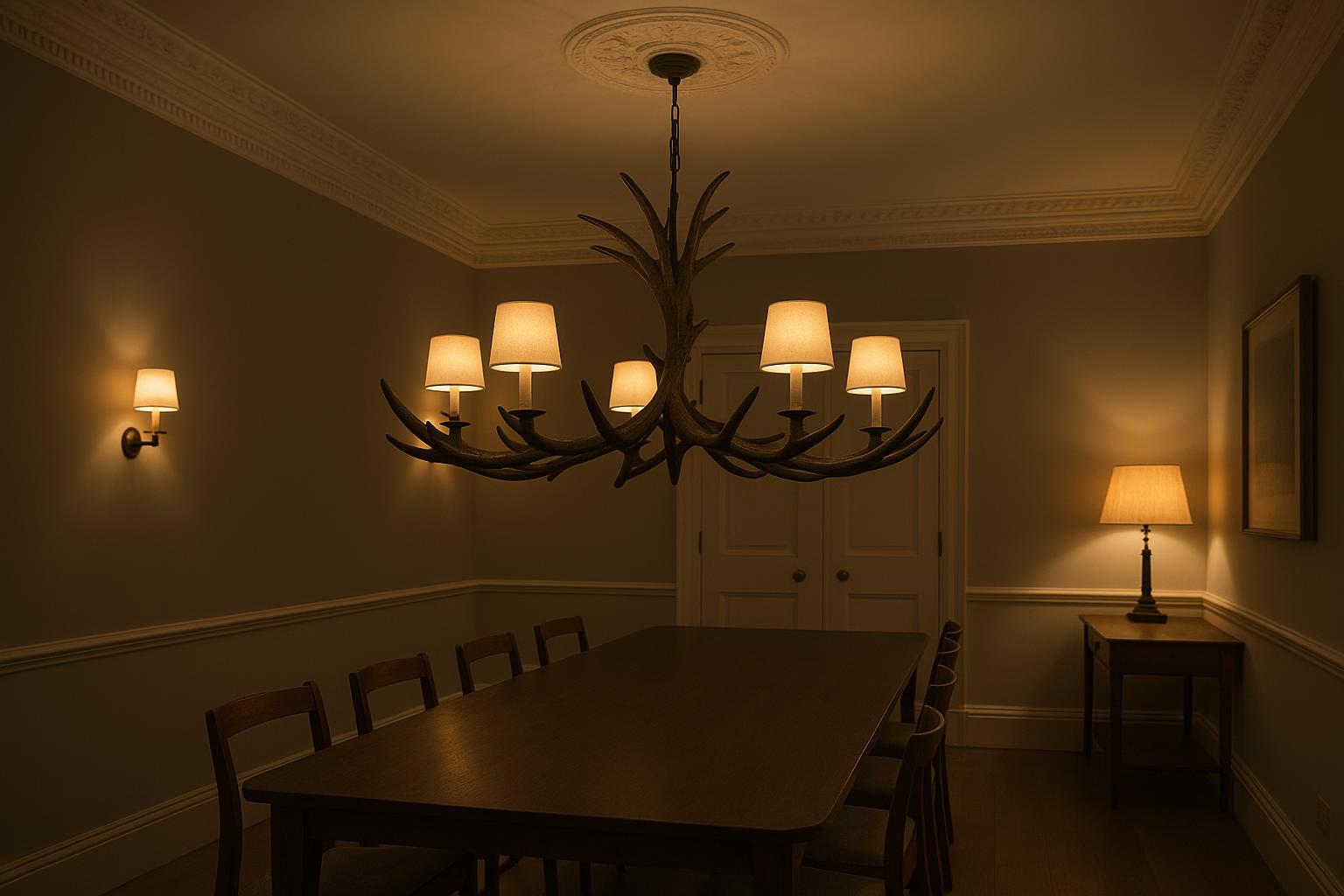
A sculptural pendant should not be expected to provide every type of light. Branches can create attractive shadows, but they may also interrupt the spread of light. A dining room may need wall lights or table lamps to soften the perimeter. A kitchen-diner still requires dedicated task lighting over worktops, the sink and cooking area.
Consider where the lamps sit within the structure. A cluster near the centre produces a concentrated glow and emphasises the pendant's core. Lamps positioned around the outside make its width more visible. Clear bulbs add sparkle and become part of the design; diffused bulbs tend to reduce glare and give a gentler appearance.
For more consistent lighting throughout the home, the article Beyond the Lodge: Antler Pendant Light Ideas for British Homes may also be helpful.
Follow the stated lamp type, quantity and maximum wattage for the individual fitting. If dimming is wanted, confirm that the bulbs, control and fitting are compatible. A warm light appearance often suits timber and earthy finishes, but the wider room should determine the choice. The useful aim is flexibility: brighter light when the table is in active use and a calmer layer later in the evening.
Before ordering, compare the specification with a written set of room measurements. Include the full span of every projecting branch rather than relying on the size of the central body.
Installation varies according to the fitting and the property. Follow the supplied instructions and use a suitably qualified electrician, particularly for an older ceiling, a heavy pendant or a relocated electrical point.
The best antler pendant is not necessarily the most detailed one. It is the fitting that leaves enough open space around its branches, sits comfortably within everyday sightlines and works with the room's other light sources. A measured choice can feel architectural rather than decorative.

When you are ready to compare options, browse Lighting Go's designer antler pendant lights with your ceiling height, proposed drop and full-size mock-up notes to hand. Look at the complete silhouette before focusing on surface detail. That is what the room will register first.
Antler Pendant Lights Without the Lodge Theme
Will It Work Over Dinner? A Practical Antler Pendant Guide
Before You Hang It: Antler Pendants and Living-Room Sightlines
How to Style an Antler Pendant Without Overdoing It
Beyond the Lodge: Antler Pendant Light Ideas for British Homes
Hot Tags: Wood Lights, Glass Pendant Lights, Discount Pendant Lights, Pendant Lights UK, Pendant Drop Lights, Discount Chandeliers UK, Flush Mount Fans, Huge Chandeliers, Ceiling Lights Sale, Glass Wall Sconces, Antler Chandeliers, Modern Bathroom Design, Dimmable Ceiling Lights, Bedroom Lights, Bathroom Lights, Kitchen Lighting, Modern Chandeliers, Lighting Ideas
Copyright © 2030 LightingGo. All rights reserved.